Sec 148 · Flights · Row 15
When to book a domestic flight
There is no magic day to book a flight, but there are sensible windows, a few traps around holidays, and tools that do the watching so you do not have to.
- Event
- Flight
- Buy
- One to three months ahead
- Best months
- Avoid holidays and school breaks

Airfare is one of the hardest prices to predict. The same seat can cost very different amounts depending on when you look, and airlines adjust fares constantly in response to demand. There is no secret day, hour or trick that always finds the lowest fare. What there is, though, is a set of patterns that hold most of the time, and a few habits that keep you from overpaying.
The general booking window
For domestic flights within the United States, fares are often reasonable somewhere between one and three months before departure. Book much earlier than that and you may pay a standard fare before sales appear; leave it to the last two or three weeks and fares commonly climb as cheaper seats sell out. Business travelers who book late and pay more are part of the reason late fares run high.
These are general patterns, not rules. Some routes see sales at random times, and a popular route on a busy date may never get cheaper after it first opens. The useful lesson is narrower: watch fares from a few months out, and do not wait for a last-minute miracle.
Midweek flights, especially Tuesday, Wednesday and Saturday departures, are often cheaper than Friday and Sunday departures on the same route. Early-morning and late-night flights can cost less too. The day you book matters far less than the day you fly.
Routes matter too. A busy route between two large cities, served by several airlines, tends to have more seats and more competition, so sales come and go often. A thin route to a smaller city, served by one or two airlines, may have fewer cheap seats to begin with. On those routes, booking a little earlier is usually the safer choice.

Holidays and school breaks
Holiday travel follows its own calendar. Thanksgiving, the winter holidays, spring break and the summer peak all bring high demand. For these dates, start looking earlier than usual and book once you see a fare you can live with. Waiting for a drop on the Sunday after Thanksgiving is rarely rewarded.
Summer is its own peak. Families travel once school ends, and popular leisure routes to beaches, national parks and big cities fill quickly. If you are planning a summer trip around fixed dates, start watching fares in late winter or early spring rather than waiting for June.
School breaks vary by district and state, and so do the busy weeks they create. If you have flexibility, flying a day or two before or after the main rush can make a large difference. Flying on the holiday itself, such as Thanksgiving Day or Christmas Day, can sometimes be cheaper and quieter, though not always.
Big events also push up fares. A championship game, a major festival or a large convention can fill flights into one city for a weekend. If you are flying to an event, the guides to championship and playoff tickets and buying a music festival pass cover the ticket side; book the flight as soon as your event plans are firm.
The day you book matters far less than the day you fly.
Price alerts and flexible dates
You do not need to check fares every day. Most fare-search sites let you set a price alert for a route and date range, and you get a message when the price changes. Set one up as soon as you know you are likely to travel. Also in the standsFlight search tricks that still work

Flexible-date searches show a calendar or grid of prices across several days. Shifting by a day or two, or flying into a different airport nearby, can cut the fare. The guide to flight search tricks that still work goes further into nearby airports, one-way pairs and layovers.
A word on myths. You will read that clearing your browser history or searching in private mode lowers fares. There is no solid evidence for that; fares change because seats sell and demand moves, often within minutes. Searching again later and seeing a different price usually reflects that, not tracking.
An alert is only useful if you act on it. Before you set one, decide roughly what a fair price for the trip looks like, based on what you see in the first few searches. When the alert shows a fare at or below that level, book it rather than holding out for a little more.
The 24-hour rule and refunds
US rules have long required airlines to let you either hold a reservation without payment or cancel it without penalty within 24 hours of booking, as long as you book a week or more before departure. Airlines choose which option they offer, and most offer free cancellation. That gives you a day to keep looking after you book. The details can change, so check the current rules and the airline's terms.
Refunds when an airline cancels or significantly changes your flight are also covered by federal consumer protection rules, which have been updated in recent years. In general, if the airline cancels and you do not accept an alternative, you are entitled to a refund rather than a credit. Check the current rules before you assume what applies.
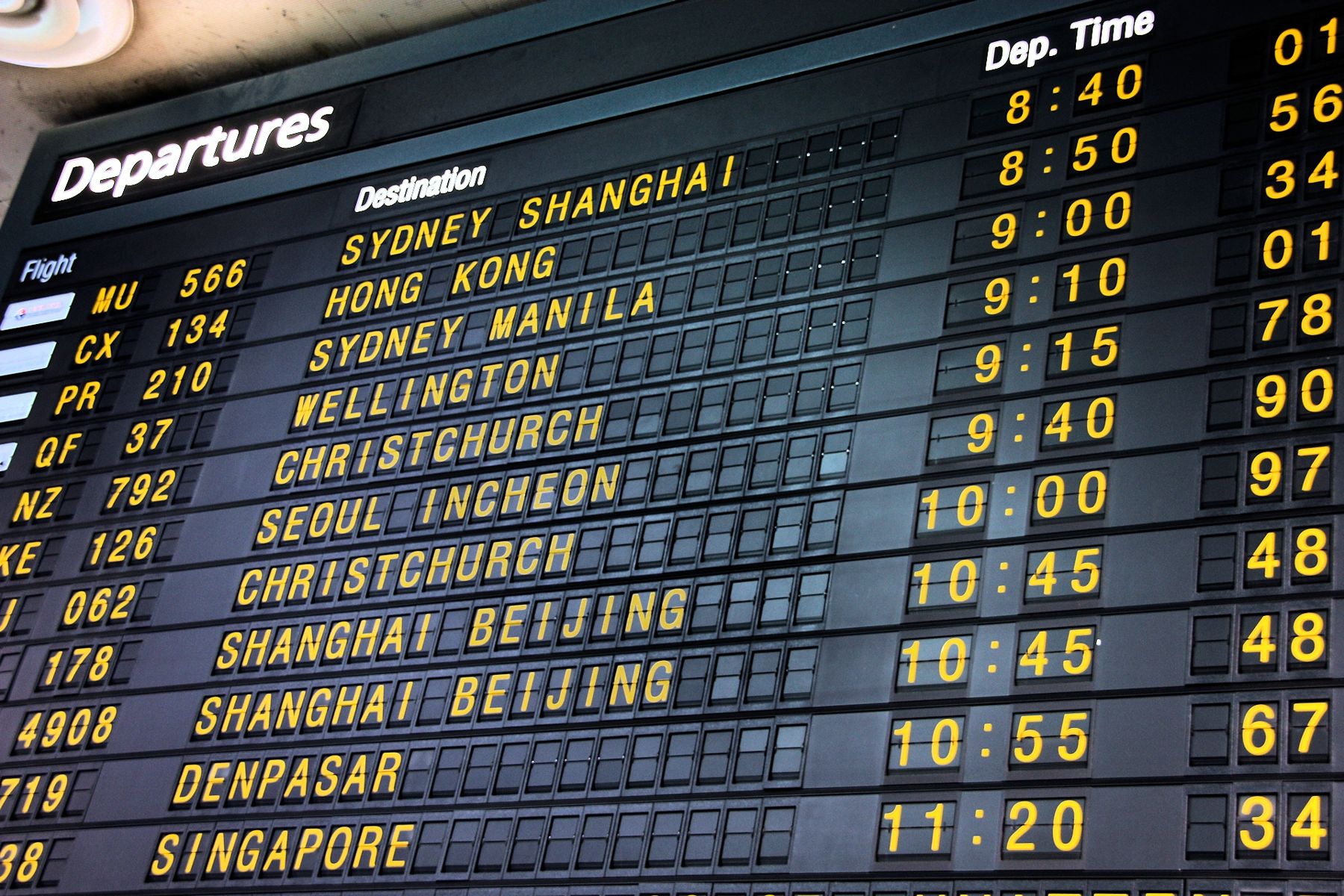
Fare type matters as well. The cheapest fares often come with restrictions on changes, seats and bags. Before you book the lowest price, read basic economy, read the small print to see what you give up.
Booking for a group
Booking several people on one reservation has a catch. Airlines sell seats in fare levels, and a reservation for four people can only be priced at a level that has four seats left. If only two cheap seats remain, the whole booking may be priced at the next level up. Searching for one or two travelers first, then for the full group, shows whether that is happening.
Splitting a group into smaller bookings can sometimes lower the total, but it adds work: you need to link the bookings or choose seats together, and changes become more complicated. For families traveling with children, keeping everyone on one booking is often worth a slightly higher fare. Whatever you choose, book the group at the same time so that a fare change between bookings does not catch you out.
A simple plan
- As soon as you know your dates, check fares and set a price alert.
- Look at a flexible-date calendar for nearby days and nearby airports.
- For holiday travel, book earlier than you think, and accept a fair price.
- For normal travel, aim to book one to three months ahead.
- Use the 24-hour window to compare one last time after you book.
- Read the fare rules before you pay, especially for the cheapest fares.
Airfare will never be fully predictable. But booking inside a sensible window, watching with an alert, and staying flexible on dates covers most of what anyone can do. The rest is luck, and luck tends to favor travelers who are not in a hurry.