Sec 136 · Venue guides · Row 13
Red Rocks Amphitheatre
An open-air stage set between two huge sandstone monoliths in the foothills west of Denver. The climb and the altitude are real, and so is the sound.
- Event
- Concert
- Buy
- At the first presale
- Best months
- May to September
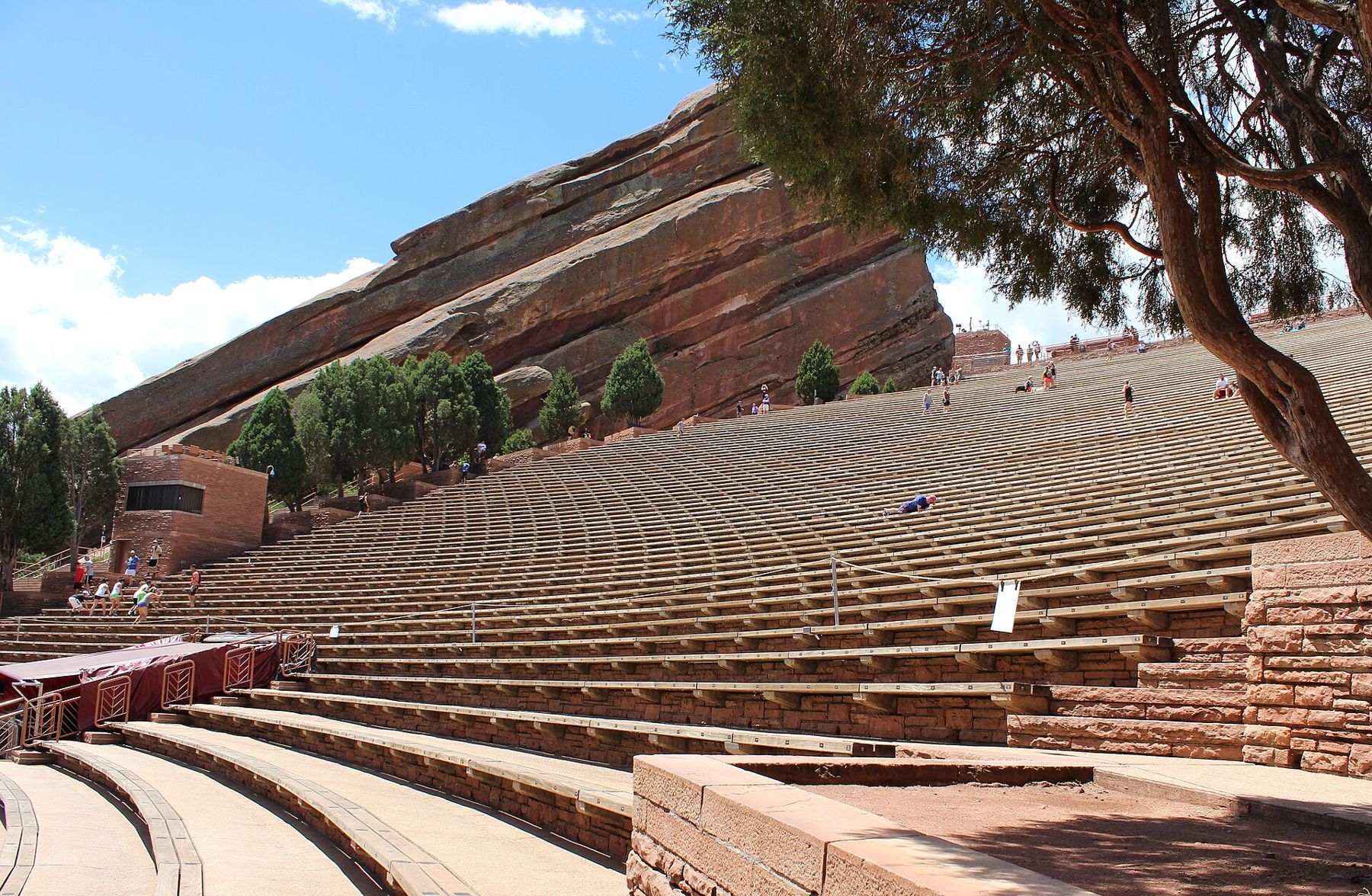
Red Rocks Amphitheatre sits in Red Rocks Park near the town of Morrison, in the foothills west of Denver. The seats rise in a long slope between two enormous red sandstone formations, with the stage at the bottom and the plains spreading out behind the top rows. It opened in 1941, and it remains one of the most sought-after concert venues in the country. Shows sell fast, and getting the most from one takes some planning.
The setting and how it shapes the sound
Two huge rock formations flank the seating. Between them, the amphitheatre holds roughly 9,500 people on long rows of benches that climb steeply up the hillside. The rock walls hold the sound in and reflect it back toward the audience, which is part of why performers and fans talk about the acoustics here. On a clear evening, the light on the rocks as the sun sets is part of the show.
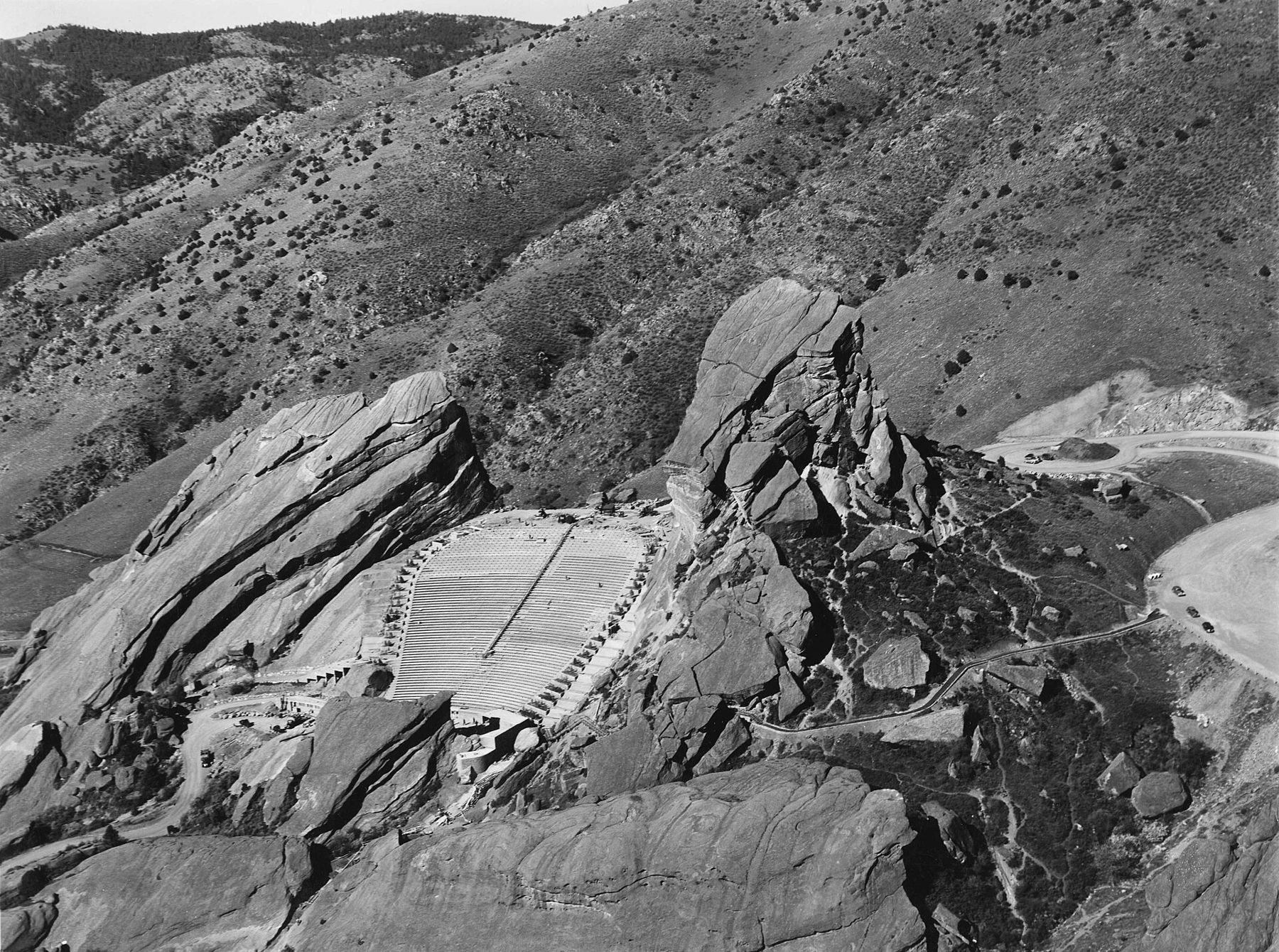
The venue was built in the late 1930s with labor from the Civilian Conservation Corps, a public works program, and the old aerial photograph shows the bowl when it was new: the two great slabs, the curve of seating between them and the roads winding up from the valley. The basic shape has changed little since then.
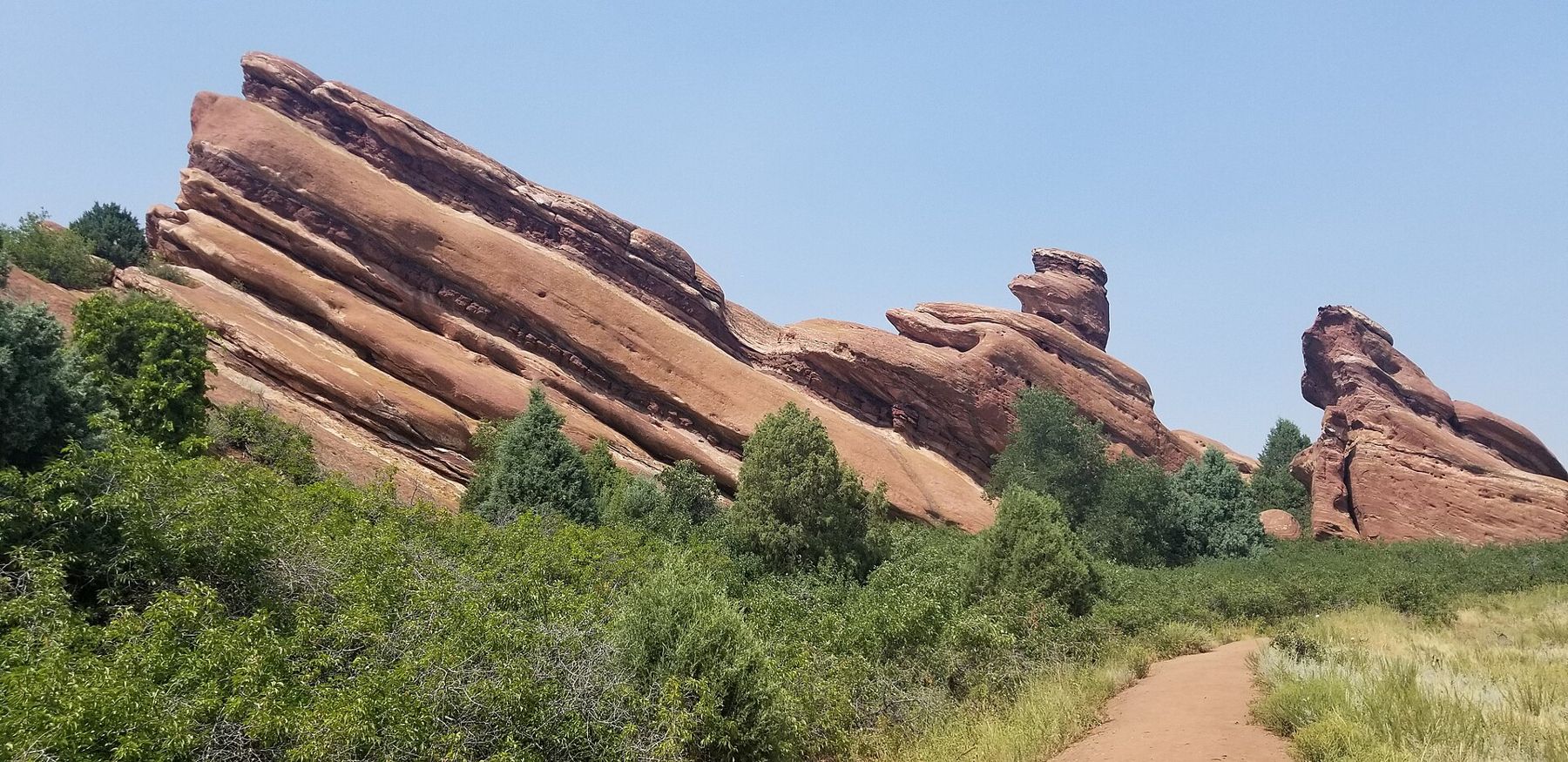
Outside show nights, the park itself is public land owned by the city of Denver, and the amphitheatre is often open to walk through during the day. There is a visitor center at the top of the seating with displays on the venue's history and the performers who have played here. A trail loops through the rock formations nearby, and morning is the coolest time to walk it in summer.
Rows, sections and where to sit
Many shows are general admission, meaning your ticket gets you into the amphitheatre but not into a particular row. Some shows use reserved seating instead. Read the ticket details carefully, because the rules change from event to event.
For general admission, the front rows fill first with people who arrived early and waited in line. The middle of the bowl is often the best balance of sound and view: close enough to see faces on stage, far enough to take in the rocks. The top rows have the wide view of the whole bowl and the city lights on the plains, though the stage looks small from there. The benches are long and the rows narrow, so you will be shoulder to shoulder with your neighbors.
If your ticket is general admission and you want a spot near the front, expect to arrive well before the doors open and wait in line. If you just want a good seat in the middle, arriving around the time the doors open is usually enough. Groups often send one person ahead to hold a row; be reasonable about how much bench you claim, because everyone behind you paid the same.
Sound is good across most of the bowl. The far sides can feel slightly off-axis, and the very back hears a little more of the wind. If you care most about sound, aim for the center line of the bowl, a third to halfway up. Also in the standsFloor, lower bowl or upper deck: choosing a concert seat
The climb and the altitude
The amphitheatre sits at more than 6,000 feet above sea level. If you have come from near sea level, the thinner air can make you short of breath on the stairs. It can also give you a headache or make drinks hit harder. Drink plenty of water during the day, go easy on alcohol, and take your time on the climb.
And there is a climb. The parking lots sit below and above the amphitheatre, and depending on where you park, you may face a long walk up steep paths and stairs before you reach your row. Inside the bowl, the stairs are steep too. During the day on non-show days you can see people running the stairs for exercise, which tells you something about the gradient. If you have trouble with stairs, look at the venue's accessibility information well ahead of time; accessible parking and seating exist, and they are best arranged in advance.
Comfortable shoes with good grip matter. The stone steps and paths can be uneven, and after dark the walk down to the lots is crowded and dimly lit in places. A light on your phone helps. Take it slowly, especially if you have had a drink or two at altitude.
If you have come from near sea level, the thinner air can make you short of breath on the stairs.
Weather on the rocks
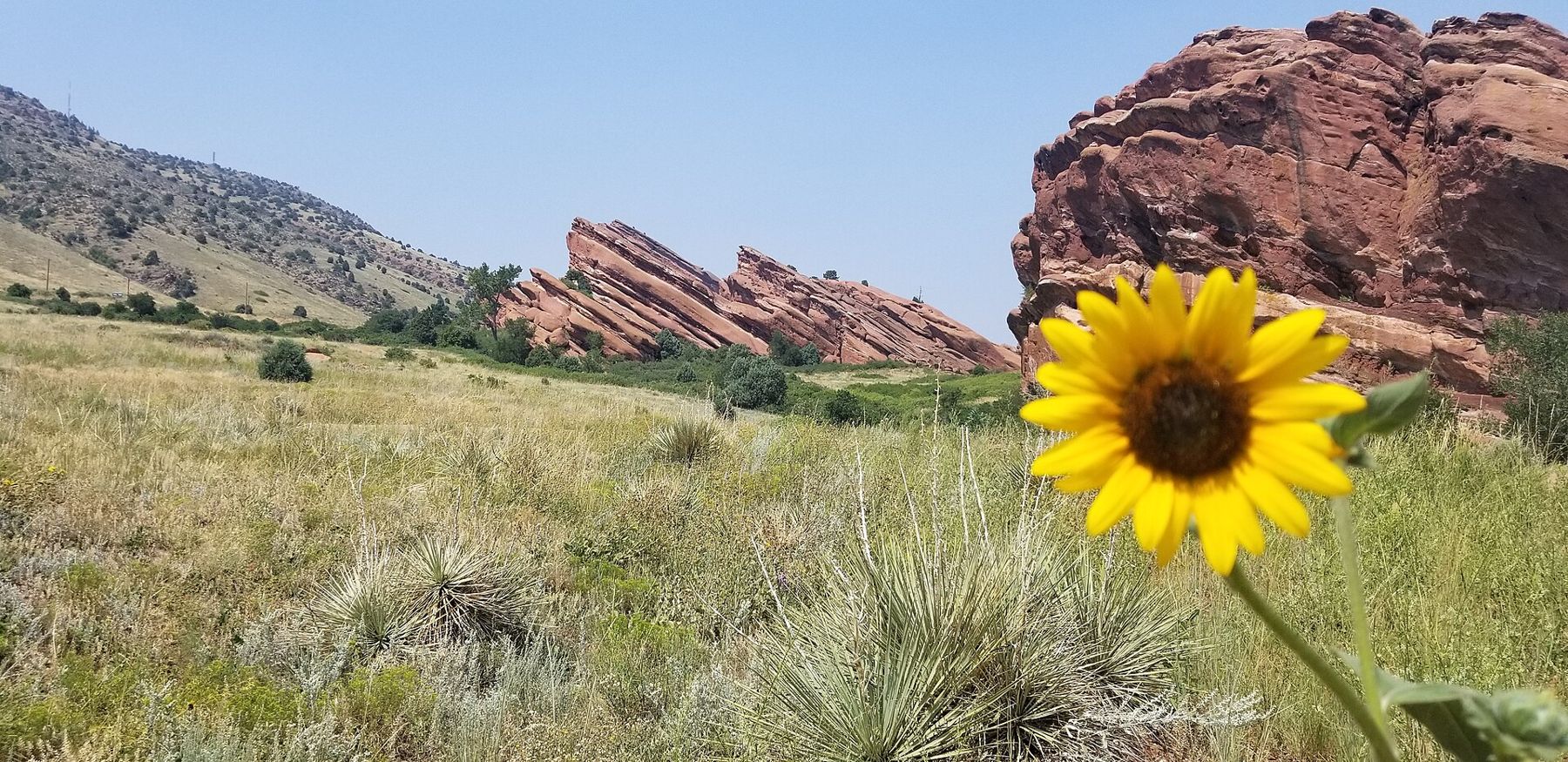
The concert season runs roughly from spring to autumn, with the busiest months in summer. Summer afternoons in the Colorado foothills often bring thunderstorms, and lightning near the venue can delay or pause a show until it passes. Early and late season nights can be cold once the sun goes down, even after a warm day. The safe approach is to bring a warm layer and a rain jacket to every show, whatever the forecast in Denver says.
Rules on umbrellas, chairs, bag sizes and outside food and drink are set by the venue and can change. Check them before you leave home.
The shoulder months can surprise you. A show in late April or October can be cold enough for a heavy jacket, a hat and gloves, and late snow is not unheard of. Summer brings strong sun during the afternoon wait in line, so a hat and sunscreen earn their place too.
Getting there and getting home
The amphitheatre is roughly a half-hour drive from downtown Denver without traffic. On show nights the roads into the park are busy, and leaving after a sold-out show can take a long time. Regular public transit does not reach the venue, but shuttles run from the Denver area on many show nights. A shuttle or a shared ride means no designated driver and no wait to get out of the lot.
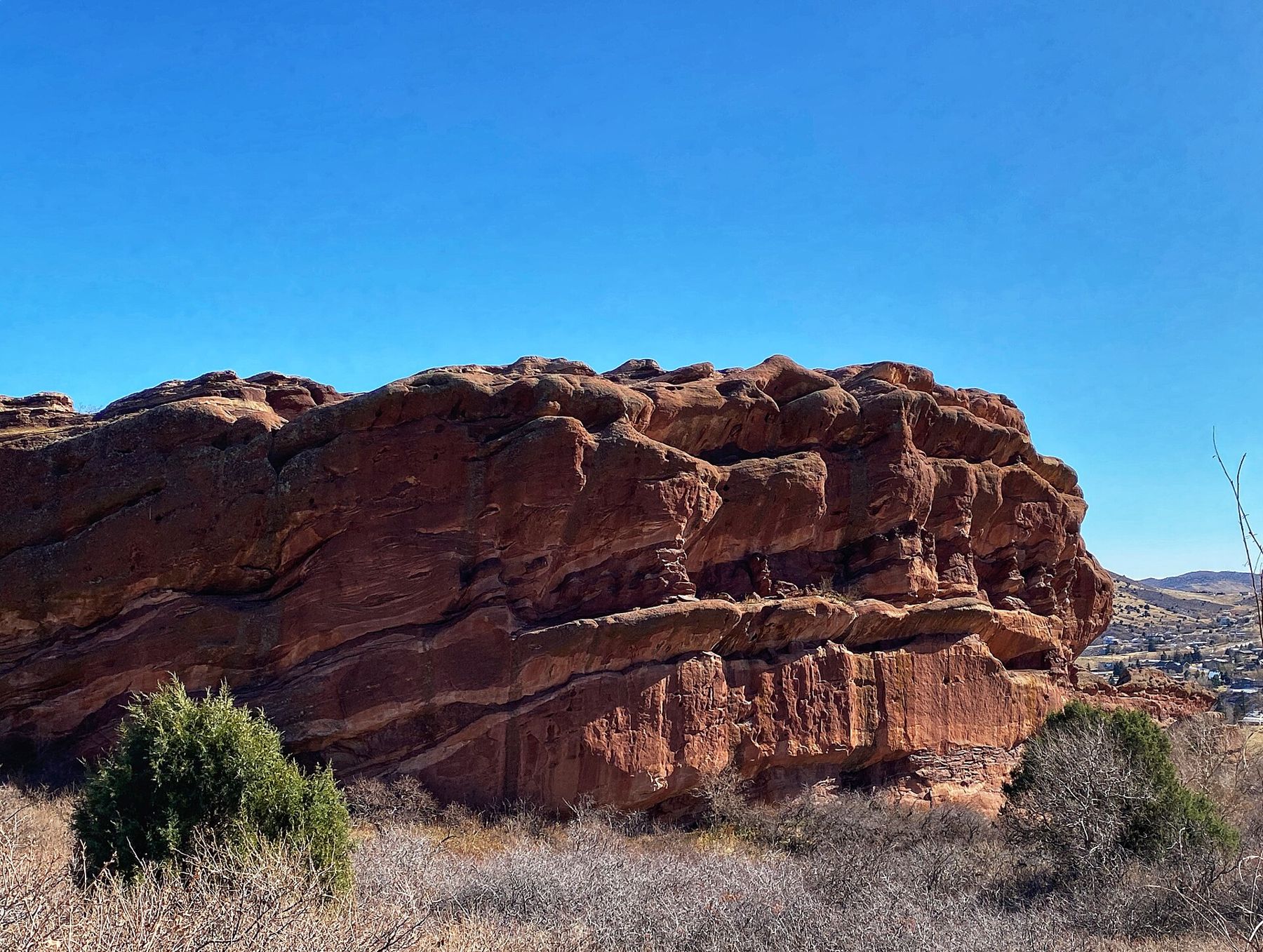
If you drive, arrive early. Lots fill, and the walk from the farther lots is long. The park is open to visitors during the day when there is no show, and walking the trails or the empty amphitheatre is a good way to learn the layout before a concert night.
Getting tickets
Popular shows here sell out in minutes. Sign up for artist and venue presales, have your account ready, and be online when the sale opens. The guide to how concert presales work explains the codes and queues. If you miss out, buy resale with care; buying resale tickets safely covers what to check before you pay.
Film nights and smaller shows are often easier to get into than big headliners, and they are a good way to see the venue without the scramble. Some artists add a second or third night when the first sells out quickly, so keep an eye on announcements after an on-sale.