Sec 124 · Theatre and festivals · Row 10
Broadway without the top price
Full price is only one way into a Broadway theatre. Same-day booths, lotteries, rush seats and a little flexibility on the night get most people in for less.
- Event
- Theatre
- Buy
- Same day, or weeks ahead
- Best months
- January to early March
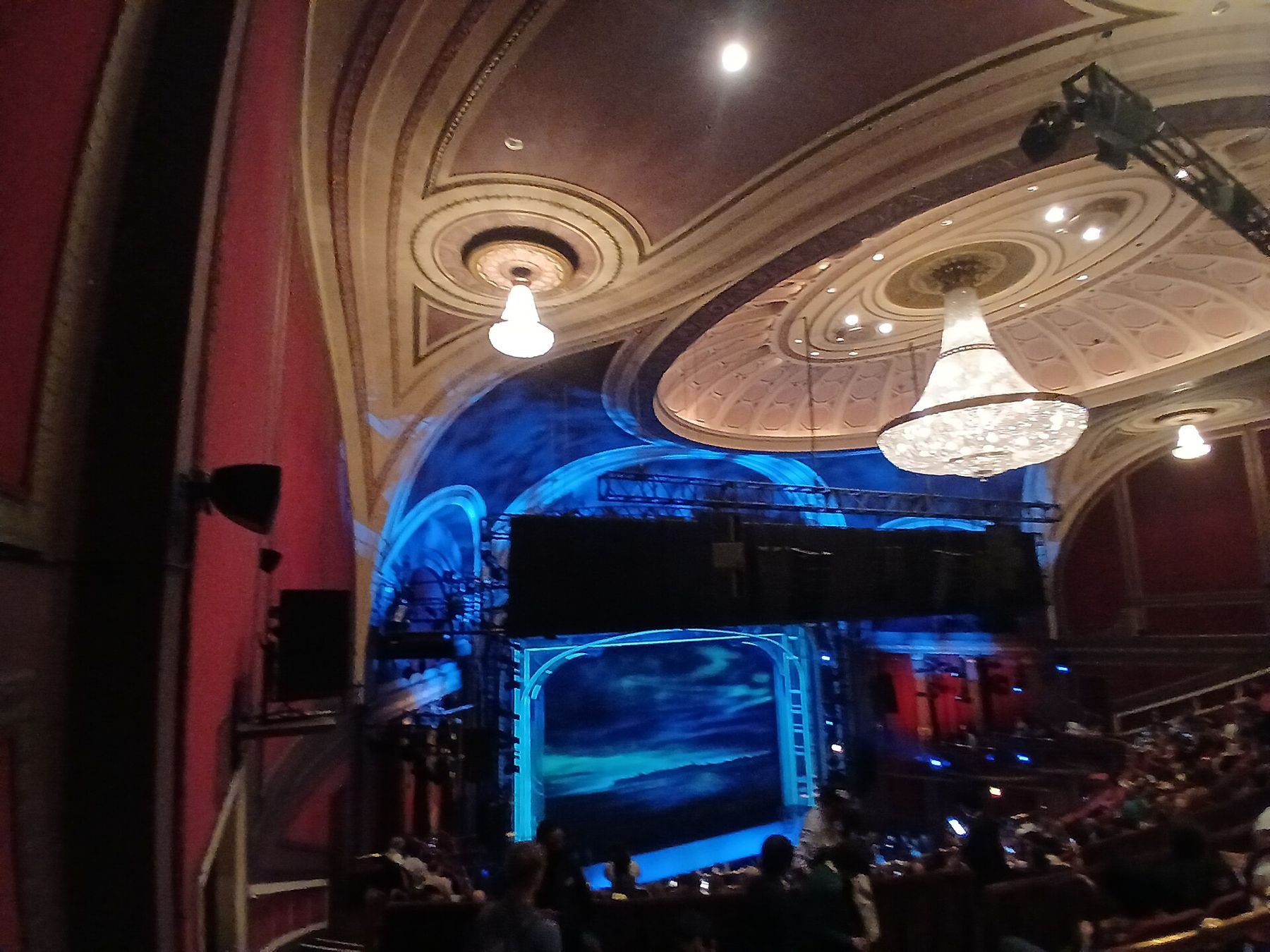
Broadway has a reputation for prices that make people wince, and for the newest hits on a Saturday night that reputation is earned. But most shows on most nights are not sold out, and the theatres have several routes in that cost far less than a prime orchestra seat bought months ahead. The trade is usually time, flexibility or a slightly worse view. If you can give a little of one of those, you can see a lot of theatre for less.
Know what you are actually paying for
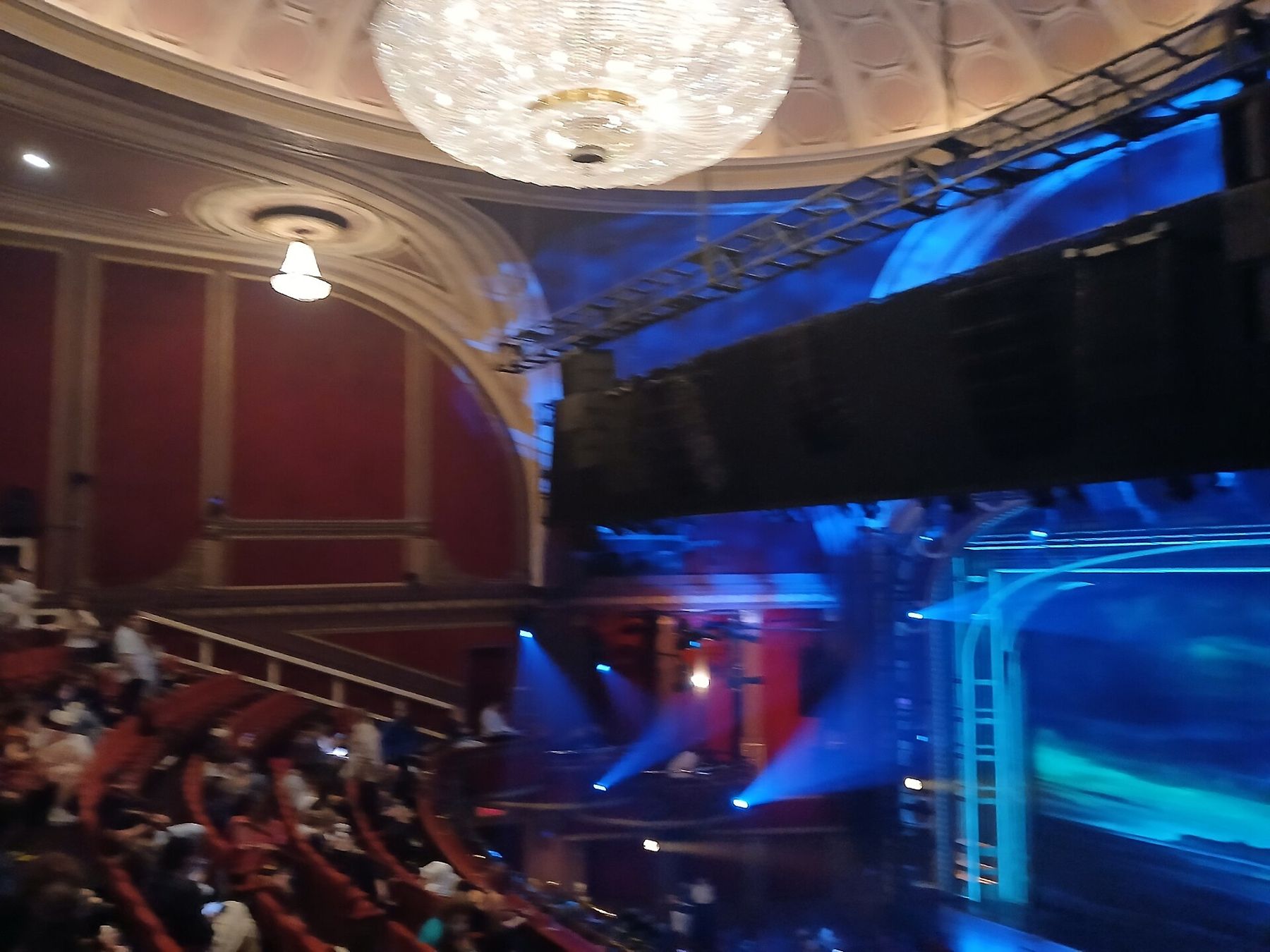
A Broadway house is usually split into three parts. The orchestra is the ground floor, the mezzanine sits above it, and some theatres add a balcony higher still. Prices follow the view, but not neatly. The front rows of the mezzanine are often better than the back of the orchestra, because you see the whole stage picture and the choreography, and they can cost less. The far sides of any level cost less again, and some of those seats are sold as partial view.
Partial view means part of the stage is hidden by a column, a box, the overhang of the level above or the edge of the set. For some shows that hides a corner nobody uses. For others it hides a staircase where a big number happens. The theatre or the official ticket seller usually flags these seats, and fan forums often describe what each section misses for a particular production. If the price gap is large and the show is mostly dialogue, a partial-view seat can be the best deal in the building.
Prices for the same seat also move with demand. Weekend evenings and holiday weeks cost the most. Tuesday, Wednesday and Thursday evenings, and some weekday matinees, are usually the softest nights. Many shows are dark on Monday, so check the schedule before you plan around it.
The TKTS booth in Times Square
The TKTS booth sits under the red steps in Duffy Square, the northern end of Times Square. It sells same-day tickets for many Broadway and off-Broadway shows at a discount, and it has done so for decades. The boards show which shows have seats that day, and the list changes as theatres release or pull inventory. The biggest hits rarely appear, but plenty of long-running musicals and new plays do.
A few habits help. Arrive with two or three shows in mind rather than one, because your first choice may vanish while you wait. Lines are often shortest on weekday afternoons and can be long right before an evening opening. There is usually a separate line for plays, which tends to move faster. Hours, the discount levels and the payment methods accepted change from time to time, so check the current details before you go rather than relying on an old guidebook.
The trade is usually time, flexibility or a slightly worse view.
Lotteries, rush and standing room
Most popular shows now run a digital lottery. You enter online, usually the day before or the morning of a performance, and a small number of winners can buy a pair of tickets at a low fixed price. Your odds on a hit are poor, so enter for several shows across several days. Each production sets its own rules on entry times, how many tickets you can buy and how quickly you must pay, and those rules change.
Rush is the in-person version. Some theatres sell a limited number of cheap seats at the box office when it opens on the day, first come, first served. A few productions have moved rush online. Some offer student rush, which needs a valid student ID. For a show in demand, people line up well before the box office opens, so expect to give up part of a morning. Also in the standsMadison Square Garden, seat by seat
Standing room is the last route. When a performance is fully sold, some theatres sell standing places at the back of the orchestra at a low price. Not every theatre has the space for it and not every show offers it. Ask at the box office on the day; the people behind the window know far more about tonight's availability than any website.
Buying ahead without overpaying
Sometimes you cannot gamble on the day. A family trip, a special occasion or a show that never appears at the booth all point to buying ahead. In that case, start with the theatre's own box office or the official ticket seller the show uses. That is where face-value tickets live, and the fees are shown before you pay, even if they still sting.
Search results often put resale listings at the top, and some resale pages are designed to look official. Before you pay, check that the seller is the one named on the show's own website, that the theatre and date are right, and what the all-in price comes to. The guide to buying resale tickets safely covers transfers and refunds in more depth, and it is worth reading before you pay a stranger for a hot show. If a deal seems far below face value for a sold-out hit, read spotting ticket scams before you go further.
Prices for the same seat can move over weeks, rising on strong demand and easing on slow weeks. That is the same logic explained in dynamic pricing, explained without the anger. A show that just opened to strong reviews rarely gets cheaper soon. A show in its third year on a February Tuesday often does.
A plan for a cheaper night
- Pick a weekday evening or matinee if your dates allow it. January to early March is traditionally the quietest stretch of the year, outside the holiday weeks.
- Enter lotteries for several shows for every day you are in town. It costs nothing but a few minutes.
- Keep one morning free for a rush line at a show you really want to see.
- Take a short list to the TKTS booth in the afternoon rather than one fixed choice.
- Look at front mezzanine and partial-view seats before you assume the orchestra is the only good option.
- Buy from the box office or the official ticket seller when you buy ahead, and check every fee before you pay.
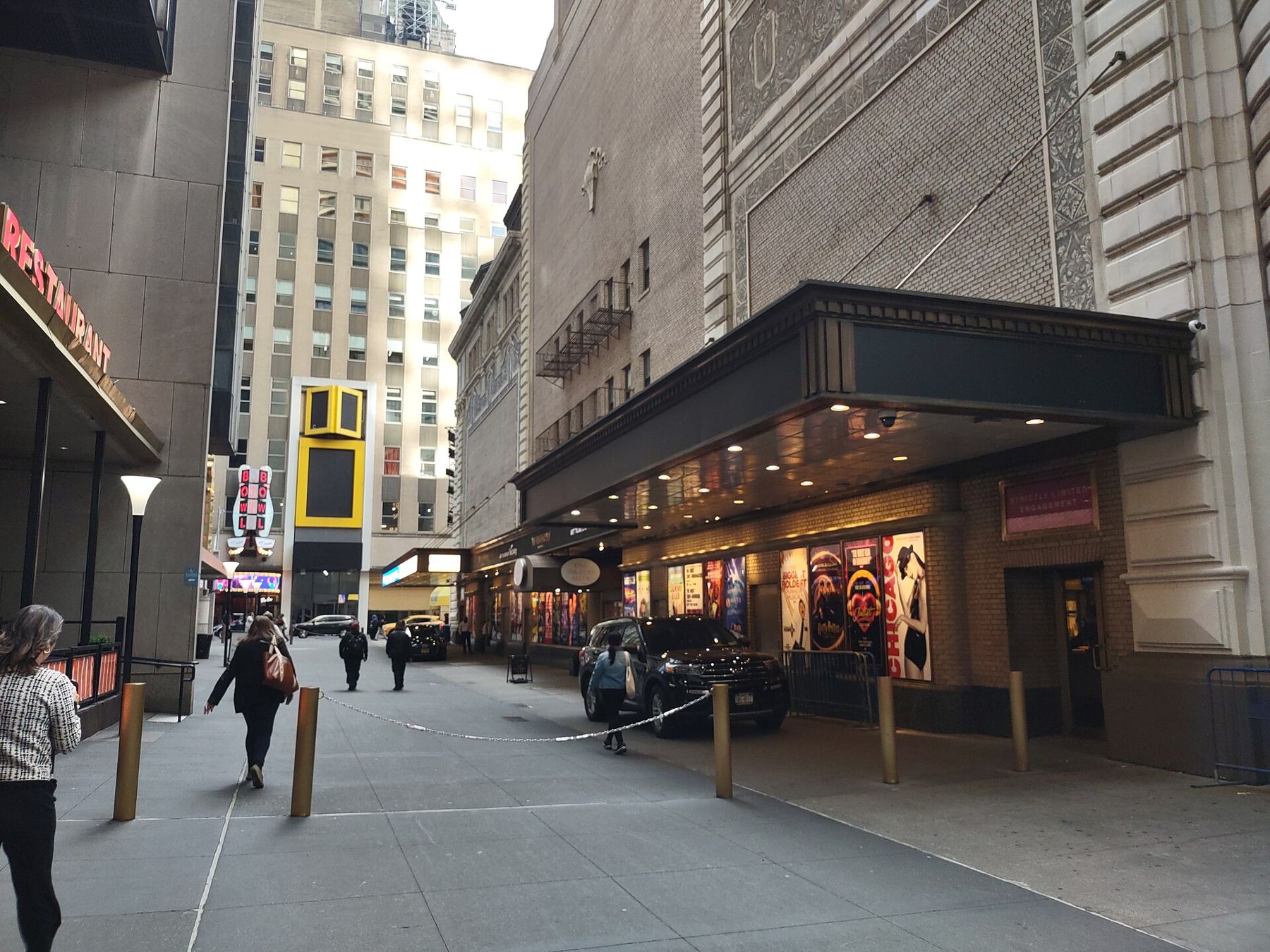
Most theatres sit in the blocks west of Times Square, roughly between 41st and 54th streets, so you can move between box offices on foot in a few minutes. Shows usually start on time and latecomers may wait until a suitable break to be seated, so leave room for the crowds around Times Square in the evening. Bag checks at the door are normal, and large bags are often not allowed in, so travel light. The same patience that wins a lottery seat or a rush ticket works for the whole evening: arrive early, keep an open mind about where you sit, and the show will be the same play on the same stage as it is for the people who paid three times as much.