Sec 101 · Concerts · Row 03
Floor, lower bowl or upper deck: choosing a concert seat
The closest seat is not always the best one. Here is how stage layout, height, angle and sound change what you see and hear, and how to pick for the show you are going to.
- Event
- Concert
- Buy
- At on-sale, with a plan
- Best months
- Before the on-sale opens

Seat maps make every seat look reasonable. They are flat diagrams of a three-dimensional space with a stage, speakers, screens and lighting rigs in it. A seat that looks close on the map can face the back of a speaker stack, and a seat that looks far can give you the whole show in one view.
The right seat depends on what kind of show it is, how you like to watch, and what you are willing to pay. Here is how to think it through.
Start with the stage layout
Before you look at sections, find out where the stage is. Arenas and stadiums are set up in several common ways.
End stage
The most common layout. The stage sits at one end of the arena floor, and the seats behind it are closed or sold as limited view. The best angles are usually straight on or slightly to the side. Seats along the sides close to the stage may be near the front but see the performers at a sharp angle, and sometimes see mostly the side of the set.
Centre or in-the-round stage
The stage sits in the middle of the floor and the audience surrounds it. Almost every seat has a decent view at some point, but performers will face away from you for part of the night. Height helps here: a lower bowl seat looks down across the stage rather than into the backs of the floor crowd.
Catwalks and B-stages
Many tours add a runway or a second, smaller stage further back. That can make a seat in the middle of the arena suddenly very close for part of the show. Tour announcements and early fan reports often mention a B-stage, but the exact position may only be confirmed nearer the date.
Floor, lower bowl or upper deck
Each level has trade-offs, and none is best for everyone.
| Level | Good for | Trade-offs |
|---|---|---|
| Floor, general admission | Being close, energy, dancing | Standing for hours, view depends on height and crowd |
| Floor, seated | A fixed place near the stage | Flat floor, so the people in front block your view if they stand |
| Lower bowl | Raised view, a real seat, easier exits | Side sections can see the stage at an angle |
| Upper deck | Seeing the full production, lower prices | Distance, steep stairs, smaller performers |

The floor is the most misunderstood option. A seated floor ticket in row 25 is on flat ground. Once everyone stands, which they usually do, you are looking at the back of whoever is in front of you. A lower bowl seat in the first few rows straight across from the stage often gives a clearer view of the show for less money. People who are shorter than average tend to be happier in the lower bowl than on the floor.
General admission floor is a different deal again. The view depends entirely on where you stand and how early you arrive. If you want to be near the front, plan on queuing outside for a long time and on standing all night.
The upper deck gets dismissed too quickly. For big productions with lighting rigs, screens and choreography, a high seat straight on can show the design the way it was meant to be seen. The stairs can be steep, so check accessibility if that matters to you.
Sound, screens and sightlines
Sound is mixed for the middle of the room. The sound desk is usually on the floor, part way back and centred on the stage, because that is where the engineer hears what most of the audience hears. Seats in line with it, at any level, tend to sound balanced. Seats far to the side, or behind and beside the stage, often get more echo and less clarity.
Big screens are part of the plan for most arena and stadium shows. If you are in the upper deck, the screens will be how you see faces and details. Check that your section faces at least one screen.
Watch for listing notes such as side view, limited view, rear view or obstructed. These seats are often cheaper for a reason. Some are fine; some sit behind speaker towers or lighting rigs. If a seat costs much less than the one next to it, read the note.
Also in the standsDynamic pricing, explained without the angerAccessible seating and comfort
Every major venue has wheelchair-accessible spaces and companion seats, and many have seats with easier access for people who cannot manage stairs. These are usually sold through the official ticket seller with their own filter or through the venue box office. Call the venue if the map is unclear; staff can usually describe exactly where the accessible spaces are and what the view is like.
Other comfort details to think about:
- Aisle seats make trips to the restroom or concessions easier.
- Row height in the upper deck can be steep. Some people find it uncomfortable.
- Heat builds up in high sections of indoor arenas, and on outdoor lawns sun and rain both matter.
- Exits take time from the floor and the upper deck. Lower bowl seats near a portal are often quickest.
Bag size limits, earplug policies and rules on what you can bring change between venues and tours. Check the venue's current rules before you go.
Amphitheatres and outdoor venues
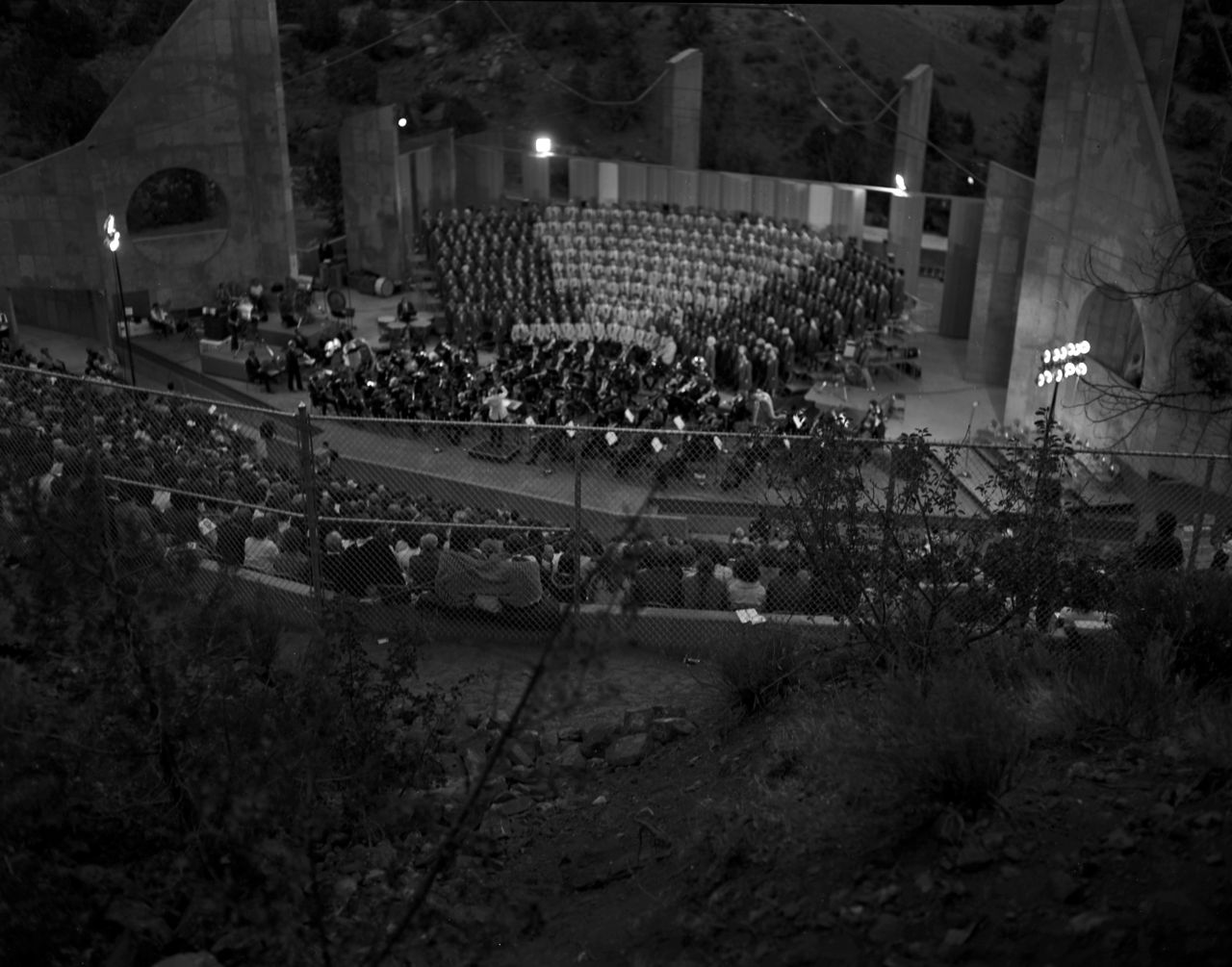
Outdoor amphitheatres follow their own logic. There is usually a reserved seating area in front of the stage and a lawn behind it. The lawn is often the cheapest ticket and the most relaxed, but the view is distant and depends on where you sit and on the slope.
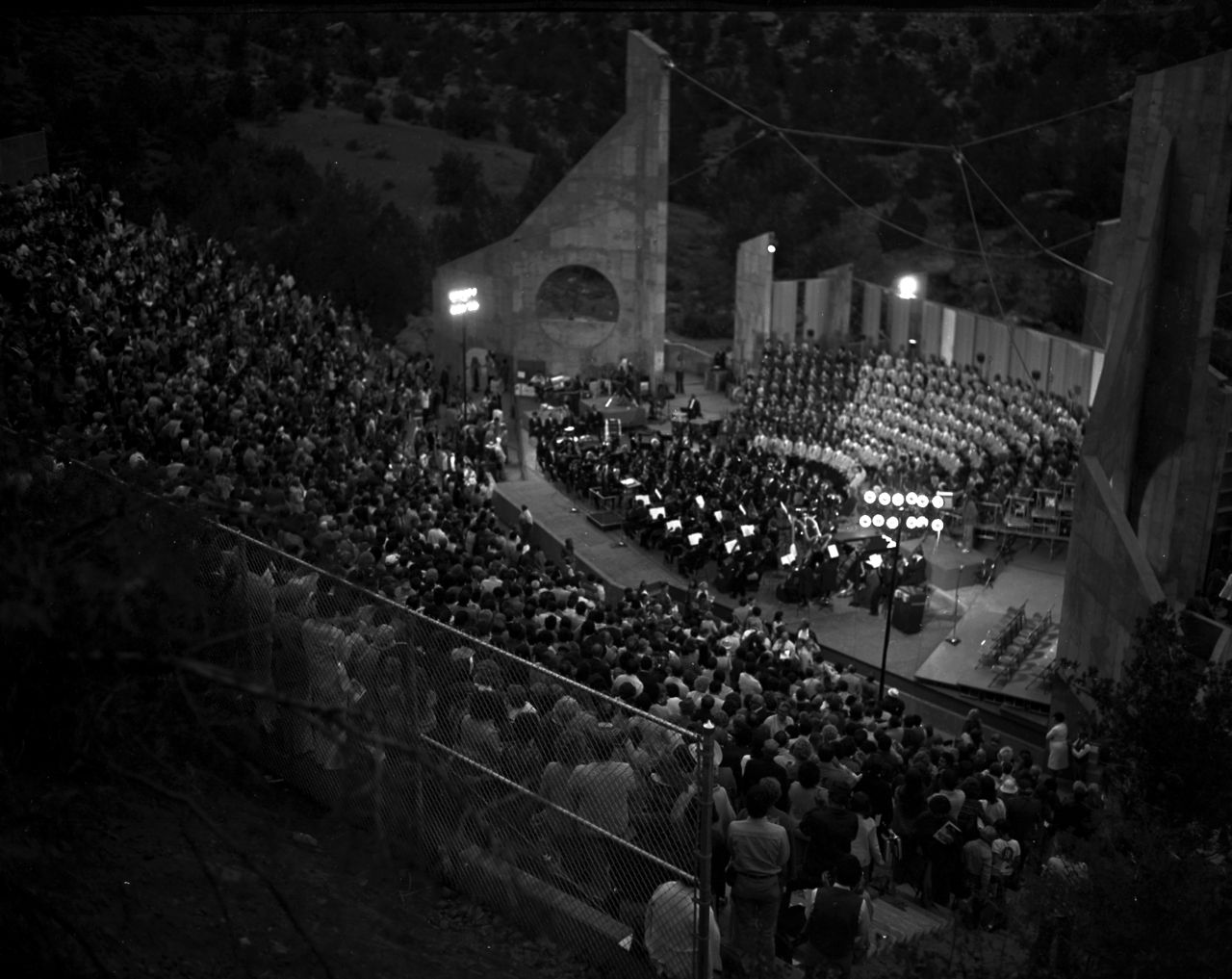
Weather matters more outdoors. A seat under a roof or shade structure can be worth extra on a summer afternoon or a rainy night. Some outdoor venues have their own character, such as Red Rocks Amphitheatre in Colorado, where the slope is steep and the rows climb a long way, or the Hollywood Bowl, with its boxes and benches.
A simple way to choose
Most choices come down to three questions. Do you want to be close, or do you want to see everything? Do you want to stand, or sit? How much will you pay? If close and standing matter most, general admission floor is worth the effort. If you want to see the whole production with a real seat, aim for the lower bowl straight on, or the front of the upper deck. If budget comes first, take an upper-level seat in line with the stage rather than a cheap side seat close by.
The best seat is the one where you can enjoy the show. A clear view from the upper deck beats a crooked view from the side of the floor.
If the venue is one you will visit often, a seat-by-seat guide helps. Our guide to Madison Square Garden shows how one arena's layout changes the choice. Then go back to the seat map with the stage in mind, and pick for the show rather than the map.
A clear view from the upper deck beats a crooked view from the side of the floor.