Sec 101 · Concerts · Row 01
How concert presales actually work
Presales are not a secret door. They are a series of smaller sales held before the public one, and knowing which ones you qualify for is most of the game.
- Event
- Concert
- Buy
- At the first presale
- Best months
- Tour announcement week
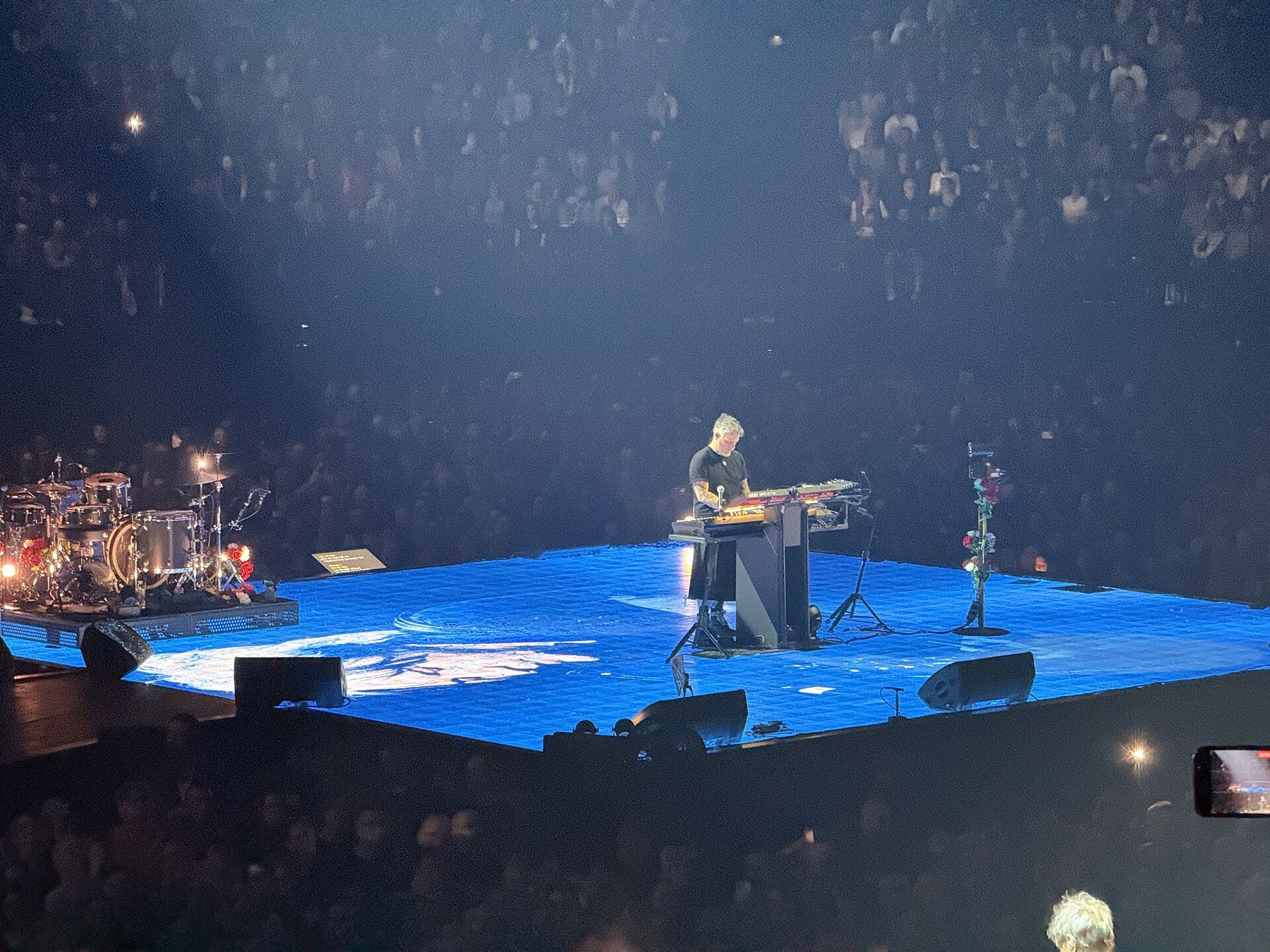
When a big tour is announced, the public on-sale date is often the last chance to buy, not the first. Before it come a string of presales: for fan club members, for holders of a particular payment card, for people on a venue's mailing list, for those who registered with the artist, sometimes for radio listeners or local promoters. Each one releases a slice of seats. By the time the general sale opens, a good share of the best ones may already be gone.
That can feel rigged. It is mostly just layered. Once you understand the layers, you can work out which ones you qualify for and plan around them.
Who gets in first
The order varies by tour, but a common pattern looks like this:
- Artist or fan club presale. Usually first. Sometimes it needs a paid membership, sometimes only a free sign-up on the artist's own site.
- Card presale. A payment-card company sponsors the tour and its cardholders get a window. You pay with that brand of card to use it.
- Venue presale. Arenas and amphitheatres run mailing lists and send a code the day before or the morning of.
- Promoter or local presales. Regional promoters and radio stations sometimes run their own small windows.
- General public sale. Whatever is left, plus anything released late.
Not every tour has every step, and the windows can overlap. The tour announcement normally lists the dates and times, and the official ticket seller's event page usually shows them too. Read them carefully, including the time zone. A presale listed for 10 a.m. local time at a venue in another state may start an hour or two earlier or later for you.
Codes, registrations and accounts
Presales control access in three main ways.
Shared codes
Older-style presales send one code to everyone on a list. These are the codes that leak online within minutes. Using a leaked code is a gamble: some work, many are expired, and some posts are bait for scams. If a stranger offers a code in exchange for money or personal details, that is a red flag. Our guide on spotting ticket scams covers the common versions.
Unique codes
Many presales now issue a code tied to one account or one phone number. Forwarding it to a friend will not help them, because the system checks that the code and the signed-in account match.
Registration in advance
The highest-demand tours often ask fans to register days before the sale. The sale itself is invitation-only: registered fans get a message saying whether they have access, and if so, a code or a link. Some systems give priority to fans with a history of buying that artist's tickets or streaming their music; others draw at random. The exact rules differ from tour to tour and are usually explained on the registration page. Read them, because some ask you to pick one city or one date.
What the queue is doing
When the sale opens, you rarely go straight to seats. You land in a waiting room or a queue. In most systems, everyone who arrives before the start time is put into the queue in random order when it opens. Arriving an hour early does not usually beat arriving ten minutes early. Arriving five minutes late does put you behind everyone already in line.
A few things matter more than people think:
- One tab per account. Many systems treat several tabs from the same account as suspicious and may drop you. Check the seller's own guidance on this for your sale.
- Do not refresh the queue page. Refreshing can send you to the back. Leave it alone unless the page tells you to reload.
- Sign in early. Have your account open, your password working and your payment card saved before the start.
- A second device. A phone on mobile data can be a backup if your home connection falters, as long as the rules allow it.
Once you reach the front, you usually have a set number of minutes to choose seats and pay. Seats in your cart are held only for that time.
Also in the standsFloor, lower bowl or upper deck: choosing a concert seatPrices during a presale
Presale does not mean cheaper. The face value is normally the same as it will be in the general sale. What changes is how much choice you have. For tours that use demand-based pricing, prices can move during a presale as seats sell, which is covered in more detail in how dynamic pricing works. Platinum or premium seats often appear in presales too, at higher prices, mixed in with standard seats. Check the seat label before you pay.
Fees are another surprise. Service and facility fees are often added at checkout. Some states now require the full price including fees to be shown up front, but the rules are different from state to state and keep changing. Check the current rules where the show is, and look at the total before you confirm.
Planning your presale day
Work backward from the show you want:
- Sign up for the artist's mailing list and fan registration as soon as the tour is announced.
- Check whether you or a friend already holds the card that is sponsoring presales.
- Join the venue's mailing list. It costs nothing and is easy to forget.
- Decide in advance what you will pay and which sections you would accept, so you are not making choices against a countdown clock.
- Agree with friends who will buy for whom, so the group does not buy twice or not at all.
That last point matters. Ticket limits usually apply per account, and some presales limit you to a handful of seats. If four friends each queue for four tickets, one success covers the group, and the others should stop. If you buy extras by accident, transfer or resale rules may be stricter than you expect.
If you miss out
Missing a presale is not the end. Promoters sometimes add dates when demand is clear. More seats can appear close to the show, once the production is set and holds for the crew and the artist are released. Checking the official seller in the final days before a show is often worth it.
The resale market is the other route. Prices there can be high in the first days and settle later, but there is no rule about that. If you go that way, use a marketplace with buyer protection and read our guide on buying resale tickets safely first. For festivals, presales work a little differently, with tiers that sell out in turn, as explained in buying a festival pass.
The short version
Presales reward preparation, not speed. Register early, join every list you honestly qualify for, sign in before the start, and keep one tab per account. Decide what you will pay before the clock is running, and remember that a presale is simply an earlier chance, not a better price.