Sec 136 · Venue guides · Row 12
Madison Square Garden, seat by seat
The Garden is a steep, compact bowl stacked on top of Penn Station. Knowing how the levels work helps you pick a seat for a game or a show without guessing.
- Event
- Any Event
- Buy
- When the event goes on sale
- Best months
- Hockey and basketball season, October-April
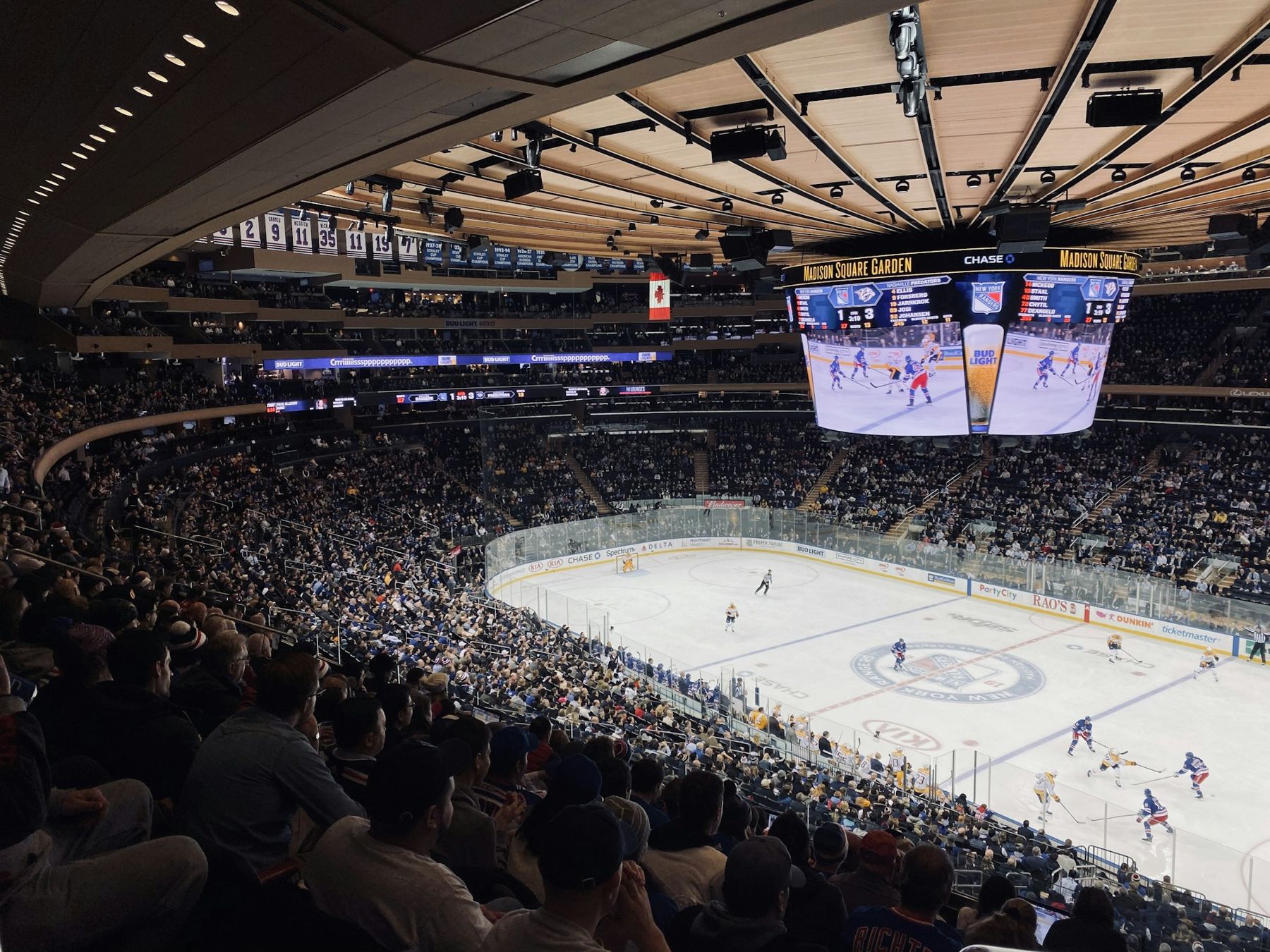
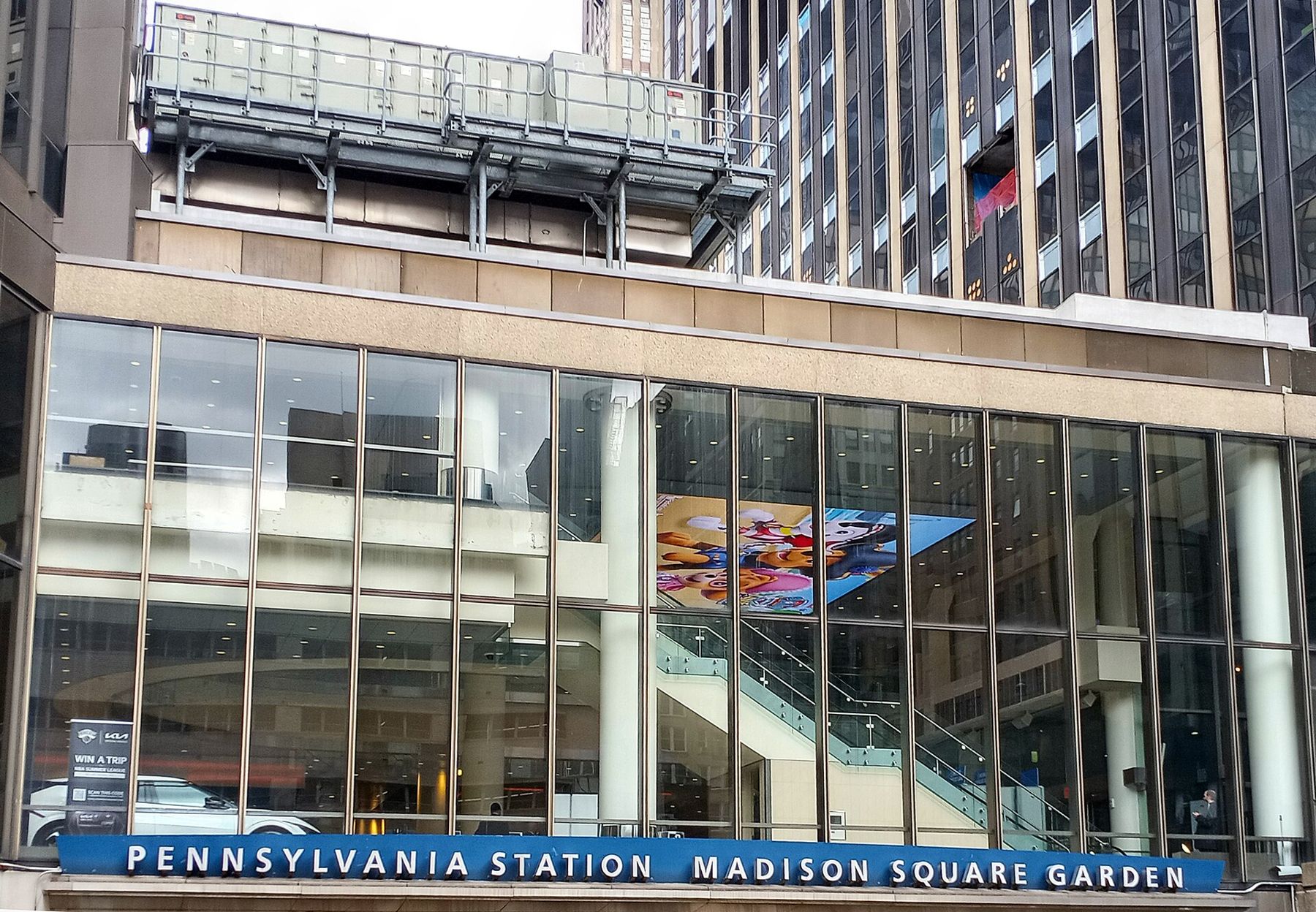
Madison Square Garden sits in Midtown Manhattan between Seventh and Eighth avenues and 31st and 33rd streets, on top of Penn Station. It is home to the New York Knicks and the New York Rangers and hosts concerts, boxing, college basketball and family shows through the year. The building is round, steep and compact for an arena of its size, which is why even the higher seats feel closer to the action than in many newer arenas.
How the bowl is laid out
The seating rises in levels around a central floor. The lower bowl wraps closest to the court or ice. Above it are the upper levels, and above those, hanging from the ceiling along the long sides, are the bridges: rows of seats suspended over the bowl that look straight down onto the floor. Section numbers rise with the levels, so a hundred-level seat is lower than a two-hundred-level seat.
The steepness helps. Rows climb quickly, so the head in front of you is lower than in a shallow arena and you see over it more easily. The trade-off is that the top rows are high above the floor, and people who dislike heights should look at the lower levels first. Exact capacity depends on the event, but it holds close to 20,000 people for basketball and somewhat fewer for hockey.
Accessible seating is spread across several levels, with wheelchair positions and companion seats. These are sold through the official ticket seller like other seats, and the arena's guest services can answer questions about elevators and entrances before you go. If stairs are hard for you, ask about the route to your section ahead of the day, since the walk from the entrance to an upper level can be long.
Seats for basketball and hockey
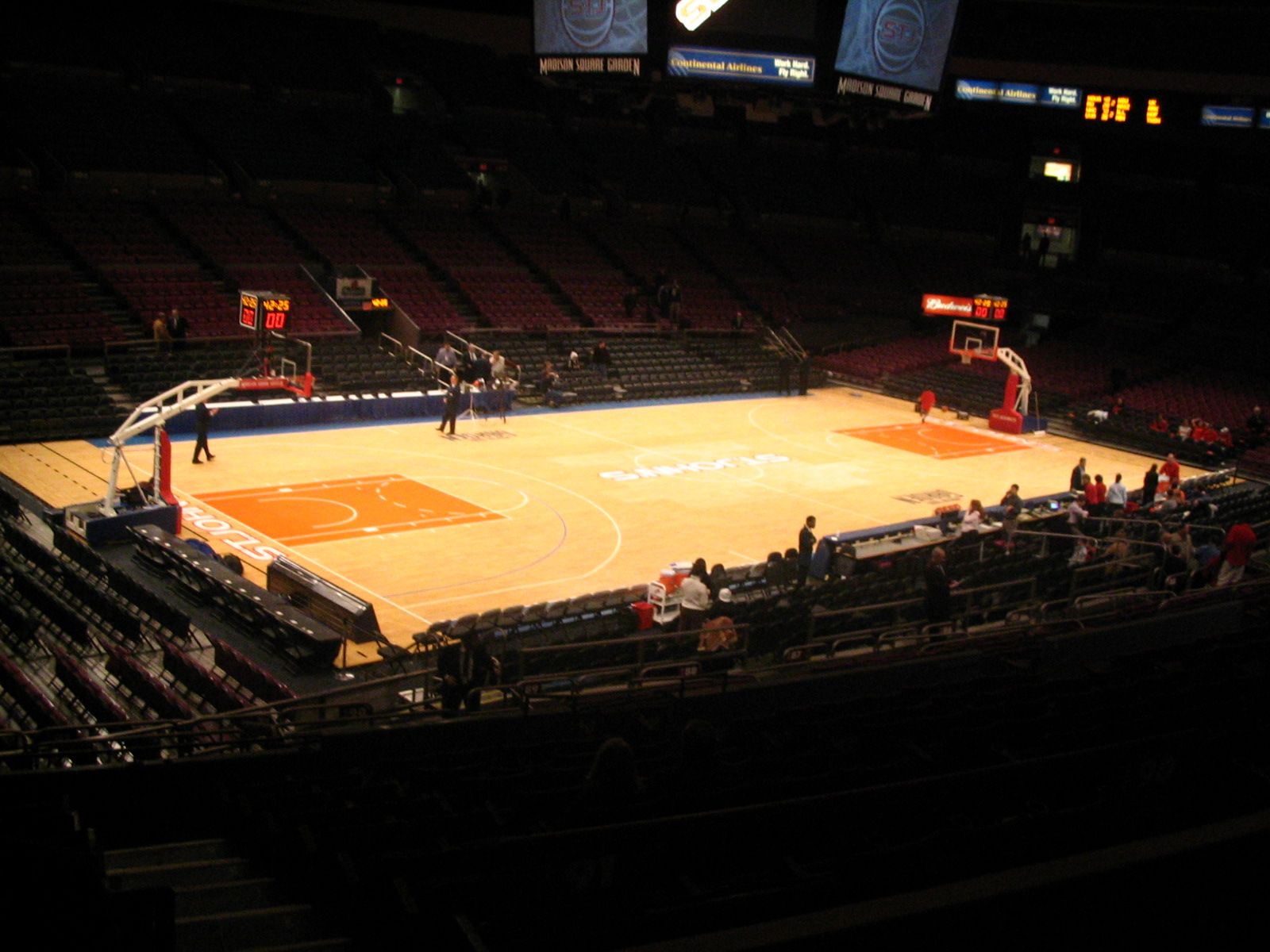
For basketball, the court is small, so almost any seat in the lower bowl gives a good view. Sideline sections near center court are the classic choice; corners still work well and cost less. Behind the baskets, the view of play at the far end flattens out. In the upper levels, sideline seats are better than end seats for following the whole court.
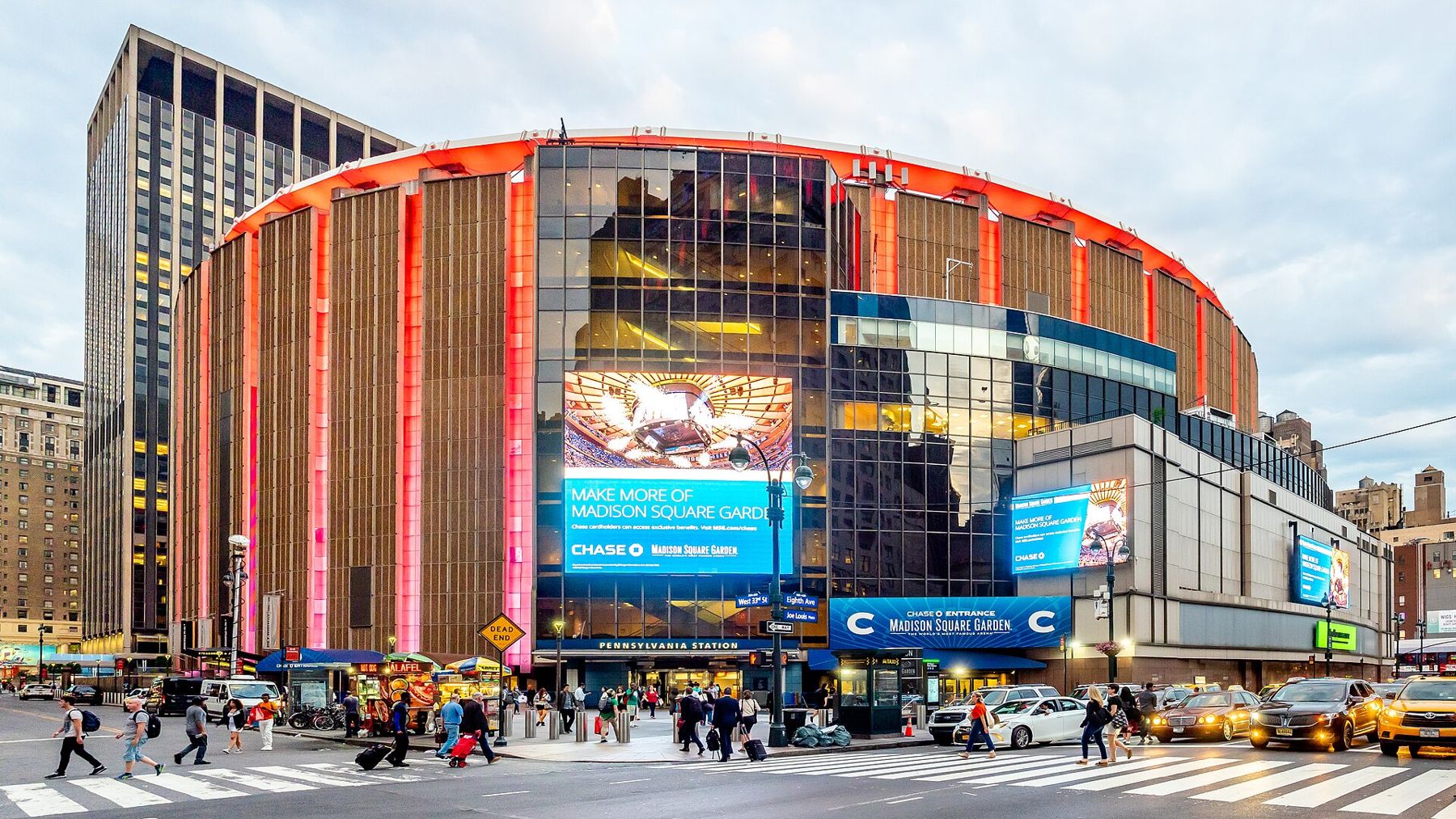
Hockey changes the picture. The ice is much larger than a basketball court, and the glass around the rink matters. In the lowest rows, the glass can distort the view and you watch the puck at ice level. Many fans prefer a few rows up in the lower bowl or the first rows of the next level, where you can see the plays develop. Sitting at the end where the home team attacks twice is a long-standing hockey preference; check which end that is before you buy.
The bridges are a different experience: you look almost straight down, a little like watching from a balcony above the action. Some fans love them; others find the angle odd for following a game. If you are curious, try them for a regular-season game before paying more for them at a big one.
Row numbers matter as much as section numbers. The first row of a section on the second level can be a better seat than the last row of the lower bowl, and it often costs less. Look at the row as well as the section when you compare prices, and remember that some sections are much deeper than others.
Seats for concerts
Most concerts use an end-stage setup, with the stage at one end of the floor. That cuts off the sections behind the stage completely, and makes the sections closest to it on either side view the show from a sharp angle. For many shows, the best value sits in the lower bowl on the sides, far enough back to see the screens and the full stage, and in the sections facing the stage from the far end. Also in the standsFloor, lower bowl or upper deck: choosing a concert seat
The floor may be standing room or seated, depending on the show. A standing floor puts you closest but you need to arrive early and stand all night. A seated floor is flat, so a tall row in front of you can block the view; a raised seat in the lower bowl often sees more. Some tours play in the round, with the stage in the middle, which changes everything: then the side sections become prime and the ends become fine.
The question is always about this event's layout, not the arena in general. Look at the stage map the official ticket seller shows for that event. The broader guide to choosing a concert seat explains floor, lower bowl and upper deck trade-offs in more detail.
Sound in an arena is rarely perfect anywhere, but the seats facing the stage straight on tend to get the most balanced mix, since the main speakers point that way. Seats right beside the stage hear more of the side speakers and less of the main mix. If sound matters more to you than closeness, a seat further back on the center line is often the better buy.
The question is always about this event's layout, not the arena in general.
Getting there through Penn Station
Because the arena sits on top of Penn Station, getting there by train is easy. The A, C and E subway lines stop at 34th Street-Penn Station on Eighth Avenue, and the 1, 2 and 3 stop at 34th Street-Penn Station on Seventh Avenue. Long Island Rail Road, NJ Transit and Amtrak trains also use Penn Station, which helps if you are coming in from outside the city.
Driving is rarely worth it. Midtown traffic before an event is slow and parking nearby is expensive. Leave extra time after the event: the crowds heading down into the station can be thick, and the platforms fill quickly. Waiting ten or fifteen minutes in your seat often means a calmer trip home.
Buying and arriving
Tickets for big events go on sale through the official ticket seller. Knicks and Rangers games against big rivals, playoff games and major concerts sell fast, and prices move with demand. For playoffs, the guide to championship and playoff tickets covers timing and expectations. If you buy resale, read buying resale tickets safely first.
Mobile tickets are the norm, so keep your phone charged. Security lines can build up close to start time, and bag policies tend to be strict, with small bags only or none at all. Check the current bag rules and entry times for your event before you go. Arriving thirty to forty-five minutes early gives you time to get through security, find your section and settle in before the lights go down.
Food and drink inside are priced as you would expect at a major arena, and lines at the concourse stands are longest just before the start and during breaks. Eat beforehand, or go to the stands during play if you can bear to miss a few minutes. The concourses get crowded, so agree on a meeting point with your group in case you are separated.