Sec 112 · Sports · Row 09
Championship and playoff tickets, realistically
Most seats for the biggest games never reach a public sale. Here is where they go, how resale behaves, what the whole trip costs, and how to decide whether to chase one.
- Event
- Sports
- Buy
- Days after the matchup is set
- Best months
- Once the matchup is set
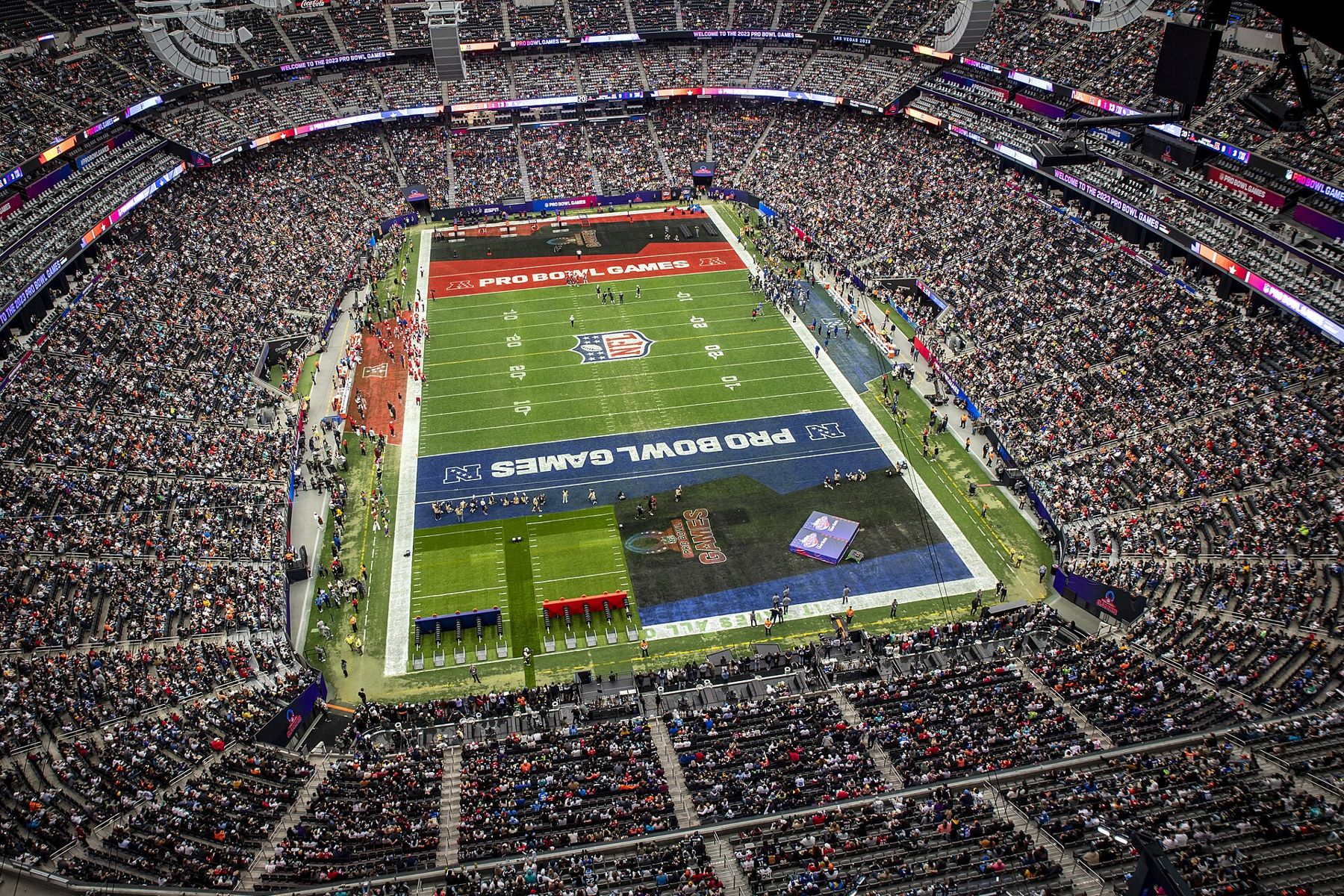
Championship games and playoff rounds are the hardest tickets in American sport. Demand is national, sometimes international, and the number of seats is fixed. If you want to go, it helps to understand where the tickets come from and what the trip will really cost, so you can make a clear decision rather than a hopeful one.
Where the tickets go
For a single-site championship game, such as the Super Bowl or a college football championship, the general public gets only a small share of the seats through any official sale. Most are allocated before the public is involved:
- Each participating team receives a share, which goes to season ticket holders, players, staff and partners, often by lottery or loyalty.
- The league or governing body keeps a large share for its own teams, sponsors, broadcasters and guests.
- The host venue and host committee receive some.
- Official hospitality packages, which bundle tickets with food, events and sometimes hotels, take another share.
Some leagues run a fan lottery for a small number of seats. Entry rules and timing differ, and they change, so check the league's official site well in advance.
Playoff games played at a team's home stadium work differently. Season ticket holders usually get first rights, and remaining seats go on sale to the public, often only a few days before the game once the opponent and date are confirmed.
How resale behaves
For the biggest games, most fans who get in buy through resale. Prices react to a few things:
- Which teams are playing. Teams with large, travelling fan bases push prices up.
- Distance. When both teams are far from the host city, demand can be lower.
- Time to the game. Prices often peak when the matchup is set and can ease in the last days, but for some games they rise instead. There is no reliable rule.
Some resale listings appear before the matchup is known, sometimes for tickets the seller does not yet hold. These speculative listings are allowed on some marketplaces and not others. Read the terms, and understand what happens if the seller cannot deliver. Our guide on buying resale tickets safely covers guarantees, transfers and payment.
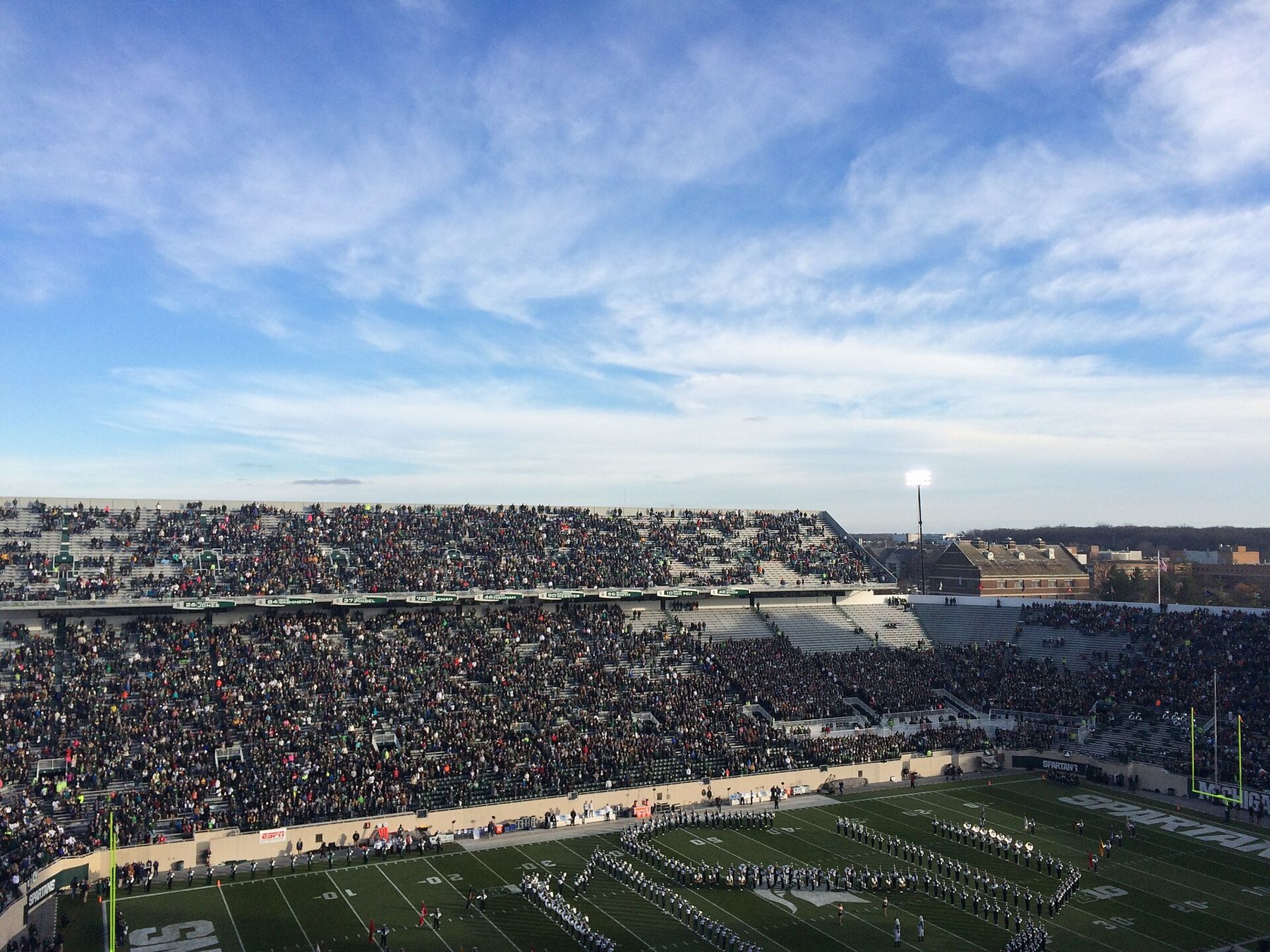
Scams rise with demand. Fake tickets, fake transfers and fake hospitality packages all appear around big games. Pay only through protected channels, and read our guide on spotting ticket scams before you buy anything from a stranger.
Also in the standsA college football SaturdayThe cost of the trip
For a neutral-site game, the ticket is only part of the bill. Once the matchup is set, thousands of fans try to book the same flights and hotels at once. Prices rise, and minimum-night stays are common.
Before buying a ticket, price the whole trip:
- Flights to the host city and nearby airports. Our guide to flight search tricks covers nearby airports and one-way combinations.
- Accommodation for the nights you need, including any minimum stay.
- Ground transport, parking or shuttle costs on game day.
- Food and drink, which in a host city during game week cost more than usual.
Some fans book refundable accommodation early in a likely host city as a hedge. That can work, but read the cancellation terms carefully, and check the current rules on refunds for flights as well.
Home playoff games
Playoff games at a team's own stadium are usually easier for local fans. Tickets often go on sale with little notice, and the team may give priority to season ticket holders or to people on its mailing list. If you live nearby, joining the team's list during the season is the simplest step you can take. Prices will still be higher than in the regular season, and many teams use demand-based pricing for these games.
Watching nearby instead
Plenty of fans decide the stadium is not worth it, and that is a reasonable choice. Some alternatives give much of the experience for far less:
- Team watch parties. Teams sometimes host gatherings at their home stadium or arena for away playoff games. Some are free, some ticketed.
- The host city without a ticket. Fan festivals and events run in the days before many championship games. You can feel the atmosphere without a seat.
- A regular-season game next year. The cost of one championship seat can pay for several ordinary games, with better seats.
Watching with friends at home is not a failure either. The best view of the action is often on the screen.
One more option deserves a mention: earlier rounds. Conference title games, early playoff rounds and semifinals often cost less than the final, and the atmosphere can be just as loud. If your team is likely to play at home in an early round, that may be the game to aim for. You see a real playoff game, sleep in your own bed, and keep the money you would have spent on flights and hotels. For college fans, a big rivalry weekend in the regular season can give a similar feeling for a fraction of the cost.
Deciding whether to go
Set a total budget for the trip, including tickets, travel and accommodation. Check whether that number is realistic once the matchup is set, not before. If it is, buy through protected channels and keep travel flexible. If it is not, enjoy the game somewhere closer and save for a regular-season visit, where you will have a better seat for far less.