Sec 112 · Sports · Row 06
A game at Fenway Park
The oldest ballpark in the major leagues is small, lopsided and full of odd angles. Choose your seat with care and Fenway rewards you with one of baseball's best afternoons.
- Event
- Sports
- Buy
- Weeks ahead for weekday games
- Best months
- Late spring and September
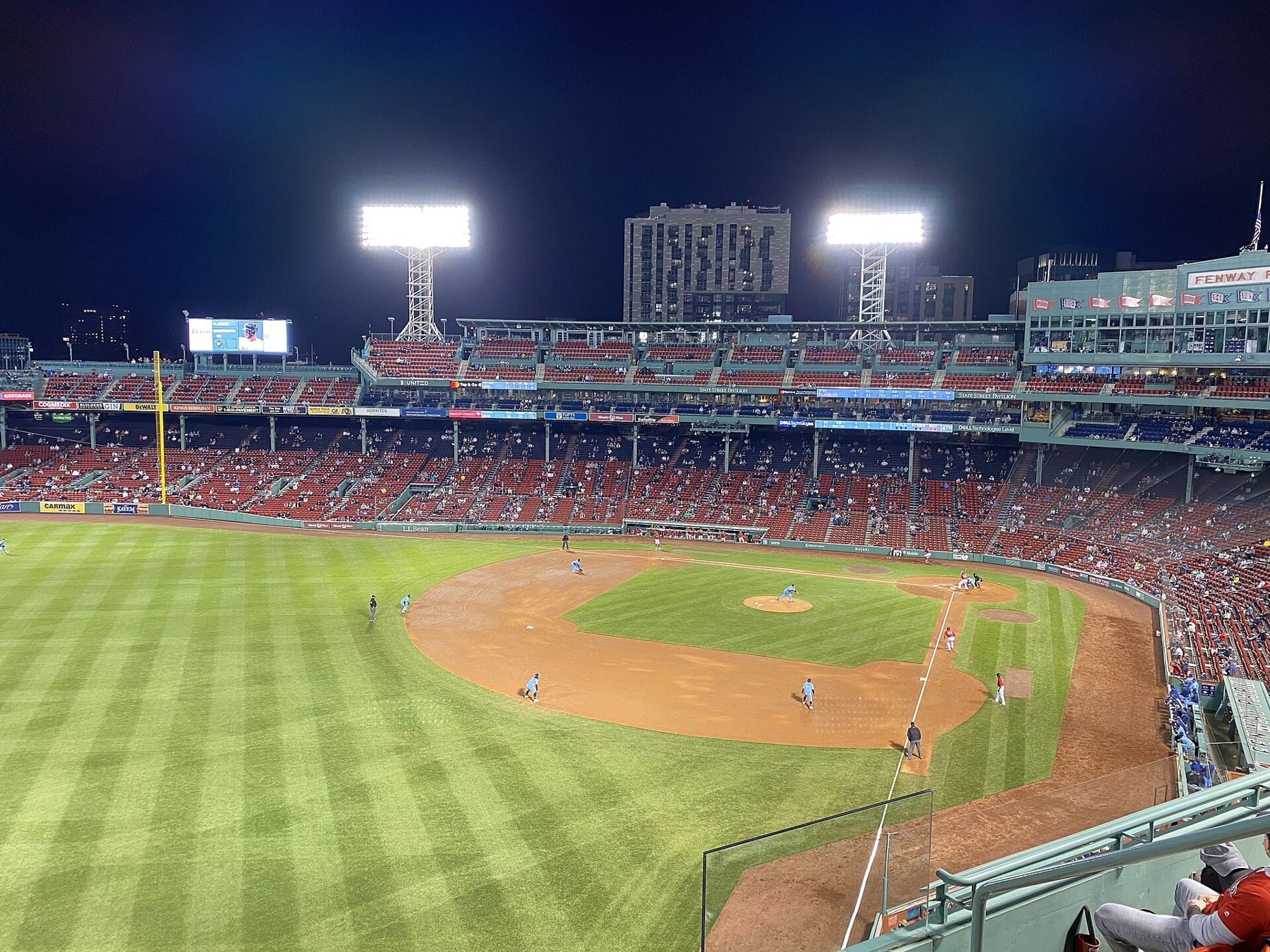
Fenway Park opened in 1912 and is the oldest ballpark still used in Major League Baseball. It sits in the middle of Boston, wedged into a city block, and that shape explains almost everything about it: the tall wall in left field, the short corners, the seats that point in odd directions, and the crowded streets around it on game days.
It is one of the smallest parks in the majors, so most seats are close to the field. It is also old, and old parks have quirks. Knowing them makes the difference between a great seat and an afternoon spent leaning around a post.
The Green Monster and the rest of the field
The left field wall, painted green and known as the Green Monster, is the park's signature. It is roughly 37 feet tall and stands close to home plate, which turns some routine fly balls into hits off the wall and some line drives into long singles. A hand-operated scoreboard is built into its base.
Seats on top of the Monster were added in the early 2000s and are among the most sought-after in the park. They give a high, close view across the field toward home plate and the city behind it. They also sell out quickly, so plan well ahead if you want them.
Right field is the opposite shape: deep in places, with the low wall by the foul pole known as Pesky's Pole. Centre field has the bleachers, which are the most casual seats in the park.
Choosing a seat
Fenway is divided into a few broad areas, and each has a different feel.
Field boxes and loge boxes
These are the lower seats around the infield, closest to the action. They are the most expensive, and the views are what you would expect. Seats down the lines are cheaper and still close.
Grandstand
The grandstand sits behind the boxes, under the upper level. This is where Fenway's age shows. Steel columns hold up the roof, and some grandstand seats look straight at one. Listings usually mark these as obstructed view. Some seats in the right field grandstand also face toward centre field, so you turn your head to watch the pitcher. They are often cheaper for exactly that reason.
Bleachers
The bleachers in centre and right field are usually among the cheaper tickets. They are sunny on day games, and the view of home plate is long. The atmosphere is relaxed and loud.
Upper level and roof decks
Pavilion seats along the upper level look down across the whole field and the city. For a first visit, they are a good way to take in the park as a whole.
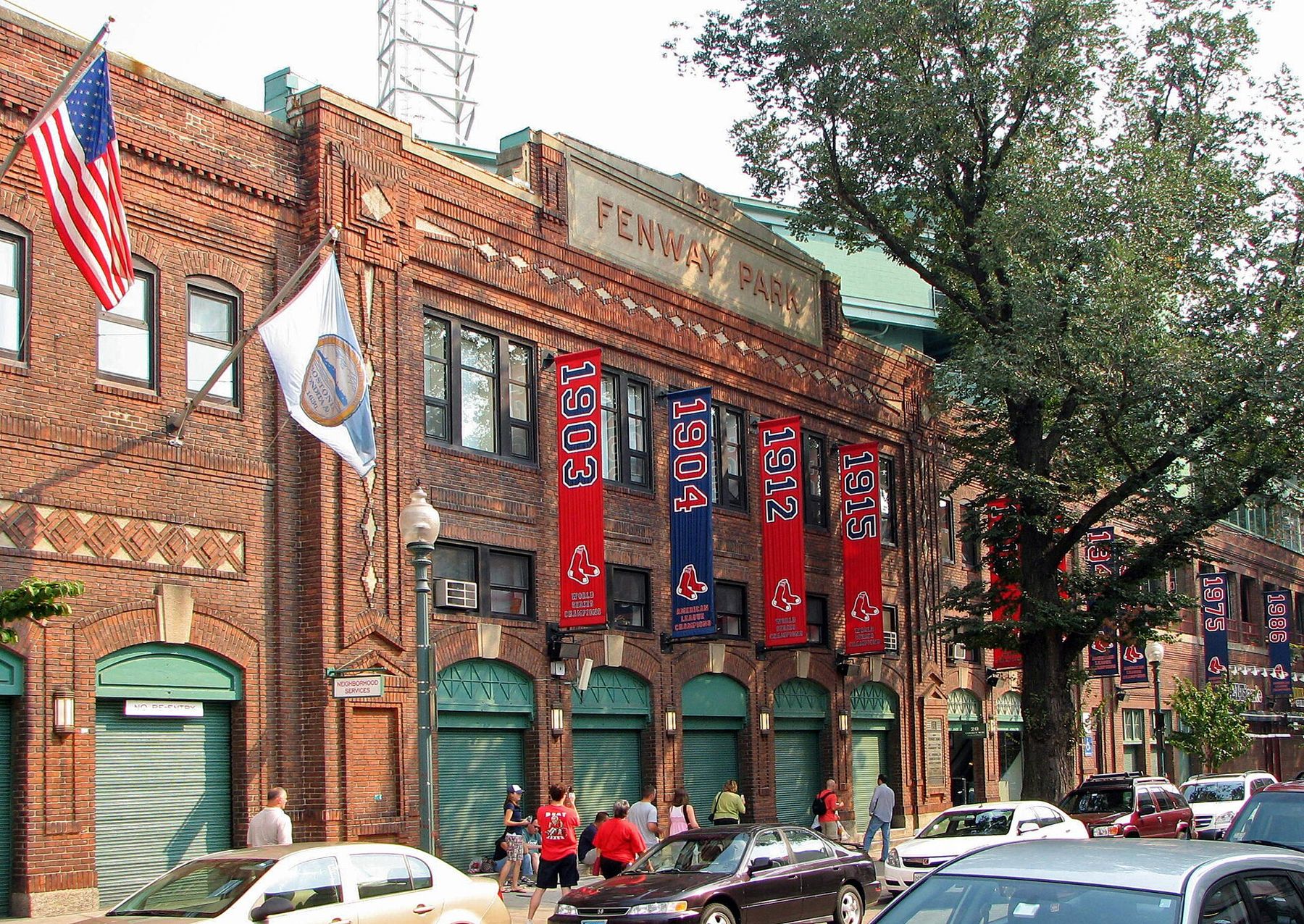
A practical rule: if a seat costs much less than the seats around it, there is usually a reason, and the reason is often a post. Read the listing notes and, if you can, compare the section on the official seat map before you buy.
Families with young children often do well in the lower sections down the first and third base lines, where foul balls arrive but the walk to restrooms is short. If you are bringing children, ask about family sections and alcohol-free areas, which some parks offer. Fans who want to keep score, or simply follow every pitch, tend to prefer seats behind the plate, even high up, over anything in the outfield. Think about what kind of afternoon you want before you look at the map.
Also in the standsFloor, lower bowl or upper deck: choosing a concert seatBuying tickets
Tickets go on sale through the team's official seller, and the team also runs its own resale exchange for fans. Weekday games in April and May, and games against teams that draw less interest, are the easiest to get. Weekend games in summer and games against the New York Yankees are the hardest, and prices for those climb quickly. Prices for many games can change as the date approaches; our guide to dynamic pricing explains why.
If you are buying resale, stick to the team's exchange or a protected marketplace and expect a mobile ticket in your own app. Our guide on buying resale tickets safely covers the details. Fenway also hosts concerts in some summers, and the same seat logic applies with the stage in the outfield.
Getting there
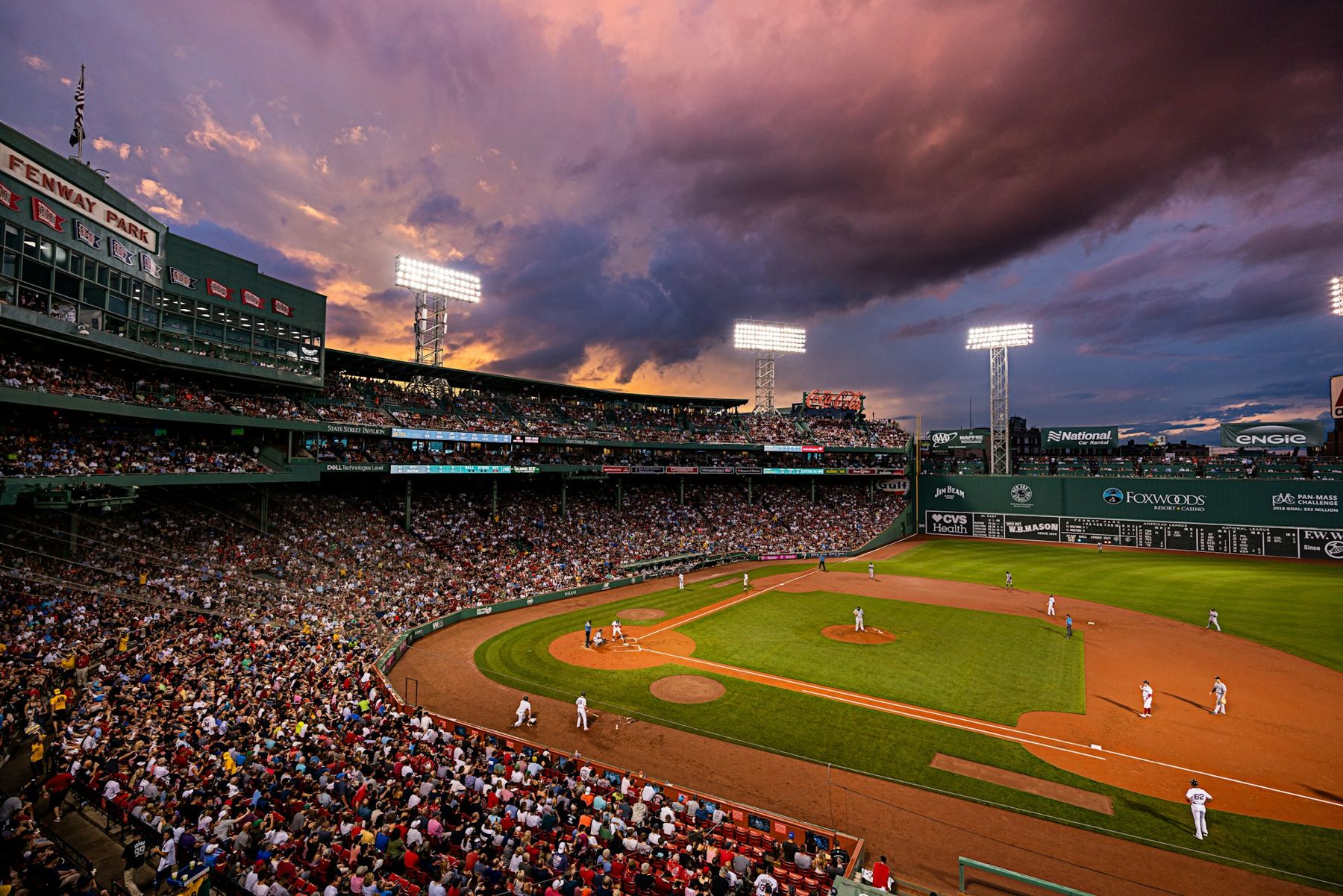
Driving to Fenway is possible but slow, and nearby parking fills up and costs a lot on game days. Most people use the T, Boston's transit system. The Green Line's Kenmore station is a short walk from the park, and the D branch stops at Fenway station a few minutes away on the other side. Trains are crowded before and after games, so leave extra time, and expect lines at Kenmore when the game ends. Commuter rail trains on some lines stop at Lansdowne, close to the park.
If you are flying in for a game, Logan Airport connects to the subway, and the trip to Kenmore takes a change of lines. For timing a trip around a home stand, see our guide on when to book a domestic flight.
On the day
Gates usually open a while before first pitch, and arriving early lets you walk the concourses, watch batting practice and see the park fill up. Jersey Street, beside the park, becomes part of the ballpark experience on game days.
A few things to check before you leave:
- Bag policy. Fenway, like most parks, limits bag size and type. The rules change, so check the team's current policy.
- Weather. Boston in April and late September can be cold, especially at night games and high up. In July and August, day games in the bleachers can be very hot.
- Mobile tickets. Tickets are usually mobile only. Load them before you leave, in case the phone signal near the gates is weak.
- Rain. Delays and postponements happen. The team posts its policy on rain checks and exchanges; check the current rules.
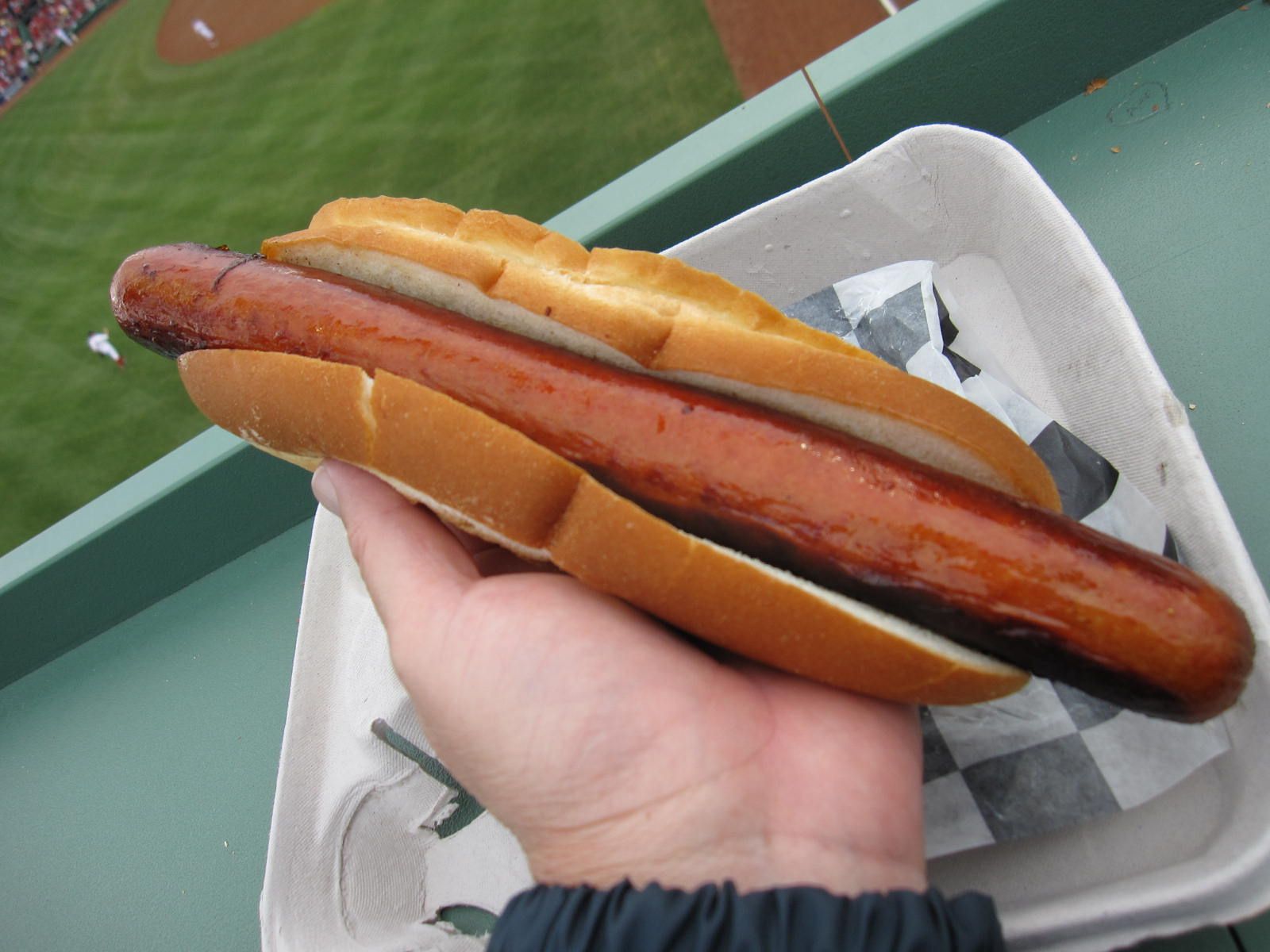
Food at Fenway leans toward the classics. Prices are high, as at any major league park, and policies on bringing your own food and sealed water change, so check before you go.
Is it worth the effort
For a baseball fan, yes. Fenway is cramped, the seats are narrow and some views are poor. But very few places put this many people this close to a major league field, and the park has a sense of history you cannot build new. Pick the right section, read the notes about posts, ride the T, and it is hard to have a bad day there.
If you are planning a ballpark trip, it pairs well with Wrigley Field in Chicago, the other old park that still feels like part of its neighbourhood.
Pick the right section, read the notes about posts, ride the T, and it is hard to have a bad day there.