Sec 148 · Flights · Row 17
Basic economy, read the small print
The cheapest fare on the screen usually comes with limits on seats, bags and changes. Knowing them before you book decides whether it is really the cheapest.
- Event
- Flight
- Buy
- After comparing fare types
- Best months
- Any time
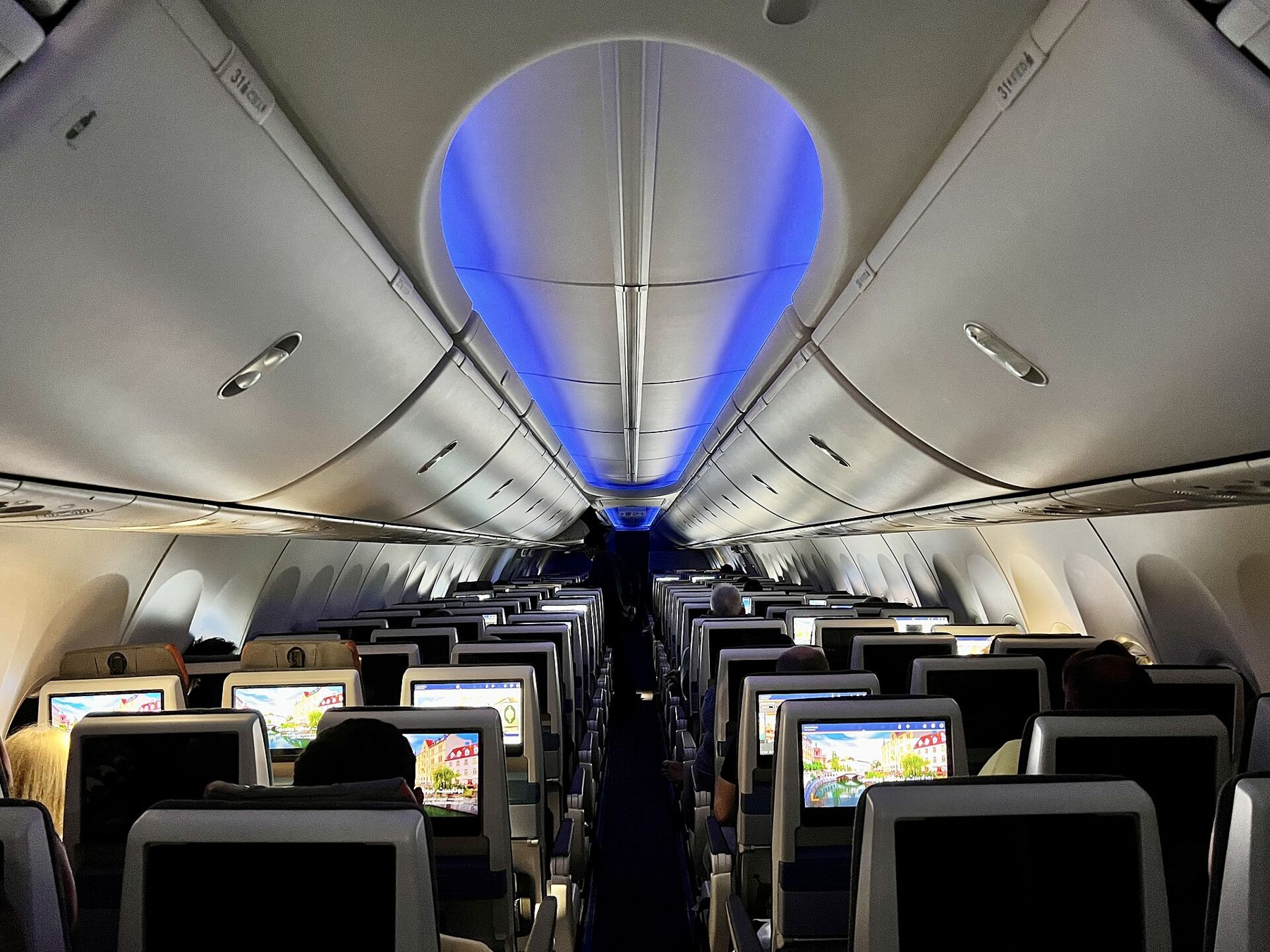
Basic economy is the lowest fare type many US airlines sell. It puts you in the same cabin and the same seat as a regular economy ticket, and the plane flies at the same speed. The difference is in what the fare leaves out: seat choice, changes, sometimes a carry-on bag, and other small comforts. For some trips that is a sensible trade. For others it ends up costing more than the regular fare.
Seat selection
With a basic economy ticket, you usually cannot pick a seat for free. A seat is assigned at check-in or at the gate, and it may be a middle seat near the back. If you are traveling with someone, you may not sit together unless you pay to choose seats. Some airlines make exceptions for young children traveling with an adult; check the current policy.
Paying for a seat is often possible, but the fee can eat into the savings. Add it to the total before deciding which fare is cheaper.
On a short flight, a middle seat is an inconvenience. On a five-hour cross-country flight, it is a bigger deal. Think about the length of the flight when deciding whether to pay for a seat or move up to the next fare.
Carry-on and checked bags
This is the rule that catches the most people. On some airlines, basic economy includes only a personal item that fits under the seat in front of you, such as a small backpack or a purse. A full-size carry-on for the overhead bin is not included. If you bring one to the gate, it may be checked for a fee that is higher than paying in advance.
Other airlines do allow a full carry-on with basic economy. The rules differ by airline and sometimes by route, and they change. Look at the bag rules for your exact fare before you book, and measure your bag.
A soft bag that squeezes into the space under the seat is easier than a hard case. Airlines publish size limits for personal items, and gate agents can ask you to put your bag into a sizer. Pack as if that will happen.
Checked bags usually cost extra on basic economy, as they do on many regular economy fares within the US. Also in the standsWhen to book a domestic flight
Changes and cancellations
Basic economy usually cannot be changed. If your plans move, you may lose the value of the ticket, or get only a partial credit. On a regular economy fare, many airlines now allow changes without a change fee, though you still pay any difference in fare.
If your plans move before the flight, look at the options the airline gives you rather than simply not showing up. On many airlines a no-show can cancel the rest of your itinerary, including the return.
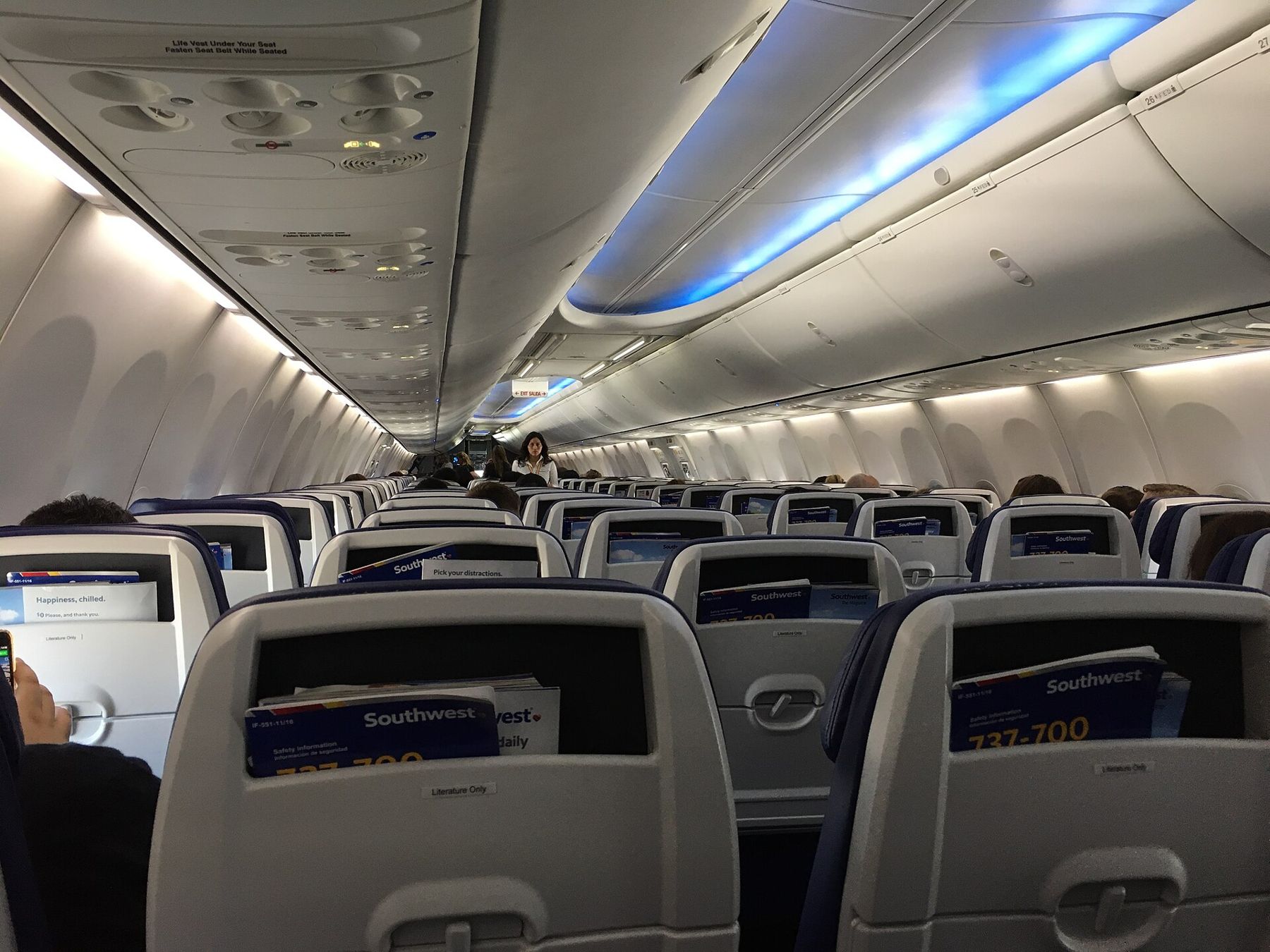
US rules generally let you cancel within 24 hours of booking without penalty when you book at least a week before departure. That applies to basic economy too in most cases, and it gives you a short window to rethink. Rules on refunds and credits change, so check the current terms. If your trip is tied to an event, consider how firm your plans are; a regular fare can be worth it if the date might move. The guide to buying a music festival pass makes a similar point about refund policies.
Boarding, upgrades and miles
Basic economy passengers usually board last. On a full flight, that can mean overhead space is gone, which matters if you do have a carry-on. Upgrades to a better cabin are usually not available on these fares, and some airlines award fewer frequent-flyer miles, or none at all, for basic economy.
Boarding last also means the bins near your row may be full, so your bag may end up further from your seat. On some airlines, passengers with elite status board earlier even on basic fares, depending on the airline's rules.
When the upgrade to regular economy is worth it
- When you need a full-size carry-on and your airline does not include one on basic economy.
- When you are traveling with family or a partner and want to sit together.
- When your plans may change.
- When the price difference is small, less than the cost of a seat assignment plus a bag fee.
- When you care about earning miles toward status.
Basic economy makes sense for short, simple trips where you travel light, do not care where you sit, and are certain of your dates. That can be a weekend trip to see a game or a concert where the ticket is already in hand.
How to compare fairly
Fare-search sites often show basic economy as the headline price. Click through to see what it includes and compare it with the next fare up. Add the cost of anything you will need, such as a seat or a bag, to the basic fare. Then compare.
The comparison is personal. For a solo traveler with a small backpack on a short flight, basic economy can be a real saving. For a family with bags on a long trip, the regular fare often works out cheaper and less stressful once everything is added up.
It also helps to check the fare rules again before each trip, even on an airline you fly often. Policies on bags, seats and changes are revised from time to time, and what was true last year may not be true now.
The guides to when to book a domestic flight and flight search tricks that still work cover timing and search habits. Read the fare rules on the airline's own site before paying, because the details are what decide whether the cheapest fare really is the cheapest.